
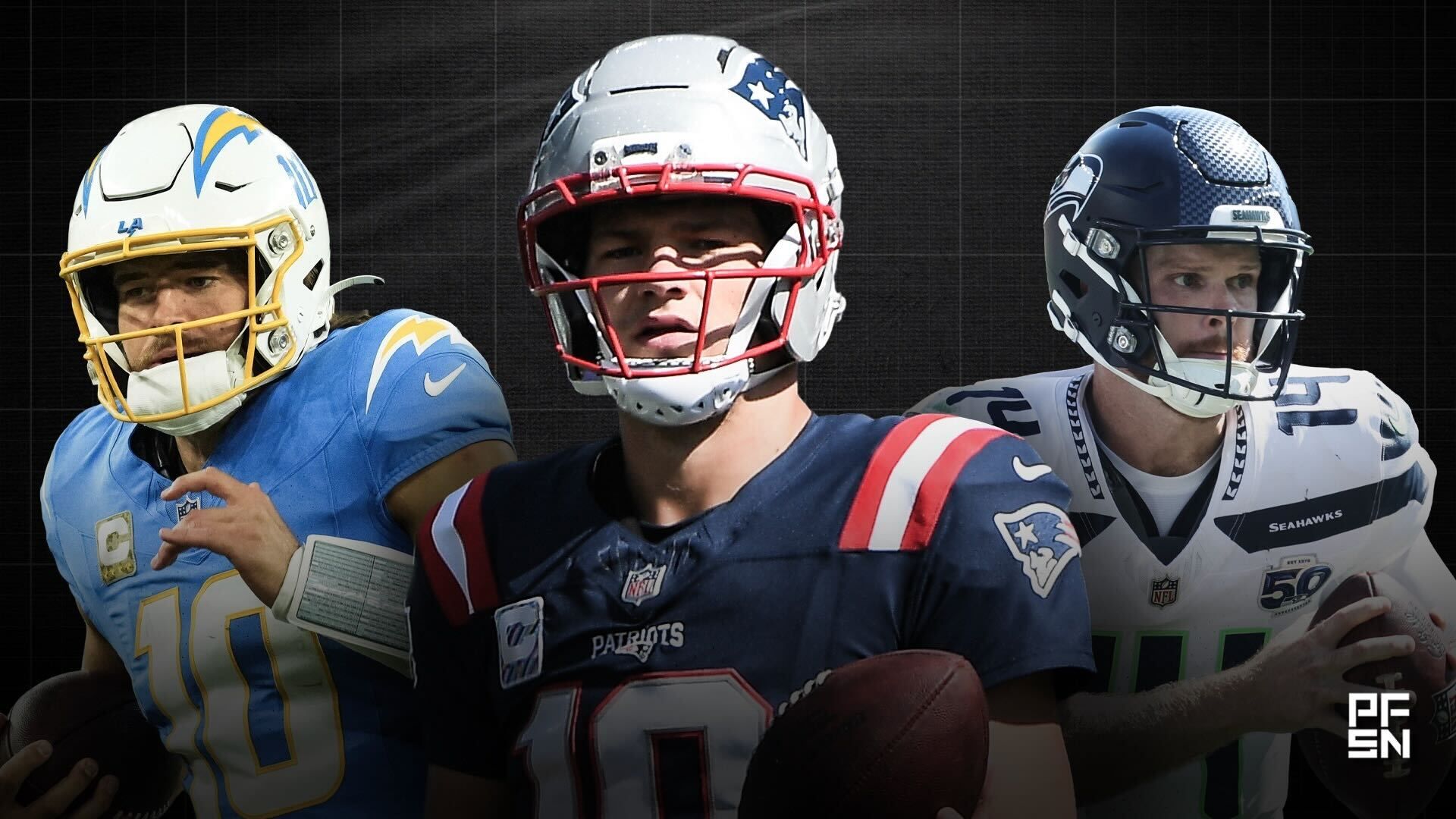
NFL Team Rankings are more than just a list of win‑loss records — they’re a snapshot of how teams stack up in a given year based on performance, talent, coaching, and potential. Every NFL season brings surprises, breakout stars, and unexpected trends that reshape how fans and analysts perceive the league. Whether you’re preparing for fantasy drafts or just following your favorite squad, understanding the broader landscape of team rankings makes the game far more engaging.
For example, the 2025–26 season showed how closely contested the league can be: the Denver Broncos, New England Patriots, and Seattle Seahawks each finished with impressive 14‑3 records, reflecting balance between offence and defence that helped them climb to the top of several rankings tables.
In this article, we’ll take a deep dive into how teams are evaluated, the top performers of the past season, and which clubs are poised to rise or fall in the NFL Team Rankings conversation in 2026.
Table of Contents
ToggleWhat Drives NFL Team Rankings Overall
NFL rankings aren’t pulled from thin air — they’re informed by a blend of objective performance data, expert opinion, and fan engagement. Wins and losses obviously carry weight, but so do other metrics like point differential, yards gained versus allowed, and situational efficiency (like third‑down conversion rates).
For instance, clubs that consistently outperform opponents in these key categories often sit higher in rankings tables because they demonstrate balanced and reliable performance over time. Expert polls and analytics sites also add layers by assessing deeper trends like quarterback performance, injuries, and strength of schedule. Whether a team boasts elite defence or a high‑powered offence, multiple lenses go into how NFL Team Rankings are constructed.
Top Teams from the 2025–26 Cycle
Looking back at recent evaluation lists, several franchises stood out for their consistency and balanced play. The Broncos, Patriots, and Seahawks were among the highest‑ranked teams based on overall performance during the 2025 season.
Denver Broncos: Known for a stout defence and efficient scoring attack, Denver’s strengths across the board helped them finish near the top of many 2025 rankings. Their strategic balance made them a formidable opponent in both conference play and beyond.
New England Patriots: Often praised for discipline and coaching savvy, the Patriots matched Denver’s record and earned praise for clutch performances late in games.
Seattle Seahawks: With an explosive offence and opportunistic defence, the Seahawks emerged as a top contender, showing they could hang with any opponent on any given Sunday.
These teams’ placement in NFL rankings reflects how multi‑faceted performance — not just quarterback play or rushing yards — shapes competitive balance in the league.
The NFL’s Elite and Emerging Contenders
Even beyond the teams that finished with great records, analysts often include other franchises in the broader NFL Team Rankings conversation based on trajectory. For example, clubs like the Houston Texans, Jacksonville Jaguars, Detroit Lions, and Washington Commanders frequently earn praise for strategic improvement, coaching changes, and young talent infusion.
Baltimore Ravens: Often near the top in player‑graded rankings due to strong defence and emerging offensive stars, the Ravens continue to be a team to watch.
Atlanta Falcons and Miami Dolphins: Both organizations have earned solid A‑level gradings in some analytical rankings, often because of explosive scoring and improved defensive consistency.
Teams like the Las Vegas Raiders and Houston Texans also earn attention not just for records but for the progress they’ve shown in developing balanced rosters.
Understanding the blend of performance metrics and expert evaluations gives fans a richer sense of why some clubs appear higher in rankings even if they don’t finish with the best win percentages.
How Offseason Moves Impact Team Rankings
The offseason can shake up NFL Team Rankings dramatically. Player signings, trades, coaching shifts, and draft pick strategies all contribute to expectations for the next season.
For example, offseason transactions like the New England Patriots signing veteran safety Kevin Byard can boost a team’s defensive outlook, influencing how analysts rank them heading into the season.
Meanwhile, the Dallas Cowboys trading key defensive linemen and juggling salary cap space shows how roster building affects future competitiveness.
Another key offseason move was the Kansas City Chiefs adding pace and firepower with star running back Kenneth Walker III, a signing that could shift the perception of their offence in future rankings.
Meanwhile, the Miami Dolphins made headlines by releasing franchise quarterback Tua Tagovailoa, a decision that may deeply influence their ranking outlook depending on the direction of their rebuild.
These real‑world moves remind fans that offseason strategy is as important as in‑season performance when it comes to NFL Team Rankings — a team’s future prospects often hang on smart roster management.
Sleeper Teams and Future Potential
Rankings often highlight perennial contenders, but some of the most intriguing discussions revolve around sleeper teams — clubs not typically expected to dominate but poised for breakout seasons.
The New Orleans Saints, as an example, showed promising improvement late in their 2025 campaign, leading some analysts to suggest they could surpass expectations in 2026. Changes like adding running back Travis Etienne bolstered their offensive depth and made them an appealing sleeper pick in win‑total markets.
In addition, the Detroit Lions, bolstered by compensatory draft picks and young talent infusion, also merit attention as teams that could rise up NFL Team Rankings if their development continues.
These under‑the‑radar clubs remind fans that rankings are fluid — momentum and development over time can shift perceptions dramatically, especially in a league as competitive as the NFL.
Regional Rivalries and Their Ranking Impact
Some of the richest narratives in the NFL come from intense divisional rivalries. These matchups often influence rankings because head‑to‑head results can have outsized importance, especially late in the season. Winning within a division boosts not only playoff positioning but also the perception of a team’s overall strength.
Take franchises like the Buffalo Bills and New York Jets, both navigating tough divisional competition in the AFC East. Their performance in rivalry games often weighs on where they stand in broader NFL Team Rankings and playoff outlooks.
Other rivalries, such as in the NFC North with the Chicago Bears and Detroit Lions, shape fan discussions and analytical forecasts alike. Prospects for each squad shift week‑to‑week, making rankings a living, evolving conversation throughout the season.
The Role of Analytics in Modern NFL Rankings
Today’s NFL Team Rankings are increasingly influenced by advanced analytics. Instead of just win‑loss records, analysts look at metrics like expected points added (EPA), third‑down conversion rates, red‑zone efficiency, and turnover margins to create a more nuanced picture of performance.
These analytical insights often explain why a team might rank highly even when their won‑loss record doesn’t yet reflect dominance. For instance, positive performance indicators across games suggest underlying strength that could translate into future wins, a key reason analysts sometimes list such clubs higher in power rankings before their records catch up.
As analytical tools grow more sophisticated, fans who engage with statistical context gain a richer appreciation for why teams occupy certain spots in NFL Team Rankings conversations.
Fan Engagement and the Cultural Side of Rankings
For many football fans, ranking debates are a beloved part of the sport’s culture. Discussions about whether a team belongs in the top five or if a sleeper squad deserves more respect often pepper social media, podcasts, and live discussions on game days.
Rankings fuel predictions, rivalries, and optimism — whether you’re a die‑hard supporter of a franchise near the top or a hopeful fan backing an underdog on the rise. Analysts, former players, and coaches all add voices to the conversation, creating a vibrant ecosystem where NFL Team Rankings become part of how the league is enjoyed week after week.
The pursuit of understanding who the best teams are in the NFL is as old as the league itself — and every season renews that excitement with fresh performances, strategic twists, and thrilling competition on the gridiron.
Read also:
fc barcelona vs girona fc lineups
mumbai city fc vs mohun bagan super giant lineups
al ahly fc vs inter miami lineups
jamshedpur fc vs kerala blasters lineups
fc barcelona vs como 1907 lineups
athletic bilbao vs fc barcelona lineups

