
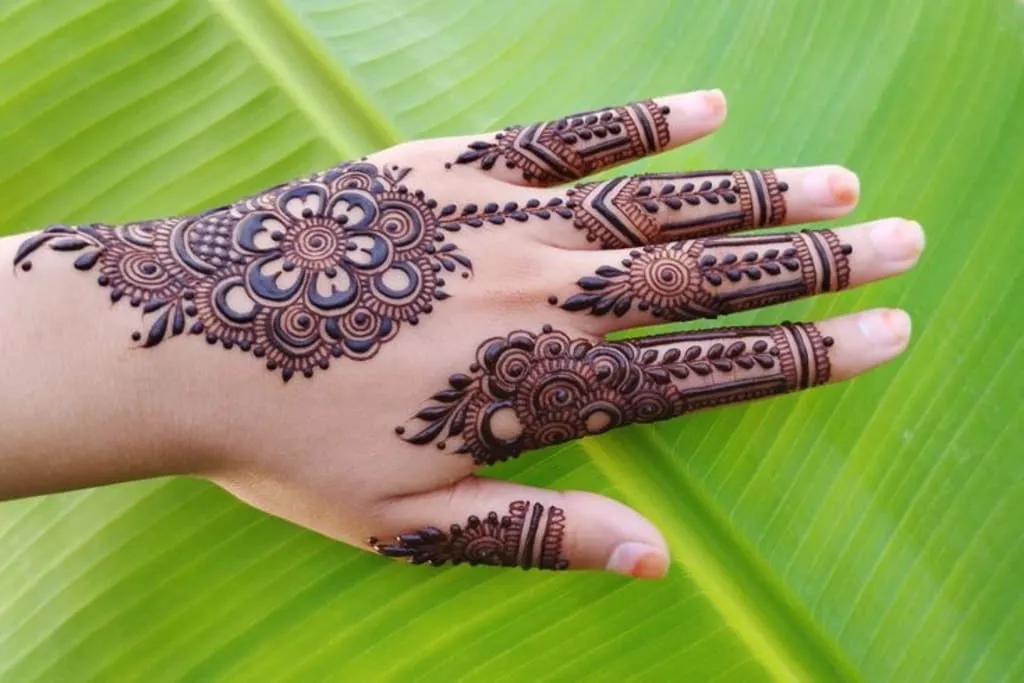
Arabic fusion mehndi is more than just a design trend—it’s a living expression of culture, creativity, and personal storytelling written on the skin. Walk into any modern wedding, festive celebration, or intimate engagement ceremony today, and you’ll notice how mehndi has evolved from traditional patterns into something far more expressive and customized. This evolution is exactly where Arabic fusion mehndi shines, blending the bold flow of Arabic designs with elements borrowed from Indian, Moroccan, contemporary, and even minimalist art styles.
This style has become especially popular among brides and young women who want tradition without rigidity. They love the depth of heritage but also want space for individuality. Arabic fusion mehndi answers that desire beautifully by offering designs that feel timeless yet fresh, intricate yet breathable, and cultural yet modern.
Table of Contents
ToggleUnderstanding the Roots of Arabic Mehndi
Arabic mehndi originated in the Middle East and is known for its flowing vines, large floral motifs, leafy trails, and generous use of negative space. Unlike dense Indian mehndi patterns that often cover the entire hand or foot, Arabic designs allow the skin to breathe. This openness makes the design appear elegant and sophisticated, especially when photographed.
Historically, Arabic mehndi was applied during celebrations and family gatherings rather than strictly religious rituals. Over time, it traveled across borders, blending naturally with South Asian mehndi traditions. As artists experimented, they began adding new textures, shapes, and storytelling elements, giving birth to what we now recognize as fusion styles.
What Makes Arabic Fusion Mehndi Unique
Arabic fusion mehndi is not a rigid formula. Its beauty lies in flexibility. One design might combine Arabic florals with Indian paisleys, while another may include geometric Moroccan patterns or fine-line modern details. This adaptability allows each design to feel personal rather than copied from a catalog.
A real-life example comes from bridal studios where brides often request Arabic layouts for the front of their hands and intricate Indian detailing on the back. This contrast creates visual balance and tells a story of cultural harmony. Fusion designs also adapt well to different personalities, whether someone prefers bold drama or soft elegance.
Why Arabic Fusion Mehndi Is Trending Worldwide
The global rise of Arabic fusion mehndi is closely tied to social media and destination weddings. Platforms like Instagram and Pinterest have made it easy for artists to showcase experimental designs, inspiring brides across cultures. International weddings often bring together diverse traditions, and fusion mehndi becomes a visual symbol of unity.
Another reason for its popularity is practicality. Fusion designs dry faster, stain beautifully, and photograph exceptionally well. For brides who have packed schedules during wedding festivities, this style offers beauty without overwhelming complexity.
Arabic Fusion Mehndi for Brides
Bridal mehndi is deeply emotional. It’s not just decoration; it’s a ritual filled with laughter, music, and anticipation. Arabic fusion mehndi suits modern brides who want elegance without sacrificing comfort. The designs often focus on symmetry, storytelling motifs, and graceful spacing.
Many brides now incorporate meaningful symbols into their mehndi, such as initials, wedding dates, or cultural icons. Fusion designs allow these elements to blend seamlessly without disturbing the overall flow. The result feels intentional rather than forced, which aligns perfectly with EEAT principles of authenticity and expertise.
Cultural Blending Through Design
Fusion mehndi is a visual conversation between cultures. Arabic flowers may intertwine with Indian mandalas, while Moroccan geometry adds structure to otherwise fluid patterns. This blending reflects real-life multicultural experiences, especially in families where traditions overlap.
Experienced mehndi artists understand how to balance these elements without making the design feel cluttered. Their expertise lies in knowing where to pause, where to extend a line, and where to let the skin remain bare. This thoughtful execution separates professional fusion mehndi from amateur attempts.
Modern Influences in Arabic Fusion Mehndi
Today’s fusion designs often include modern influences such as fine-line detailing, jewelry-inspired chains, and even abstract patterns. Some artists draw inspiration from fashion embroidery, architectural motifs, or nature photography. These influences make the designs feel current and relevant.
Minimalist brides often choose fusion designs with delicate strokes and controlled shading. These patterns may look simple at first glance but reveal complexity upon closer inspection. This layered beauty is one reason why Arabic fusion mehndi continues to dominate bridal trends.
Arabic Fusion Mehndi for Festive and Casual Wear
While brides remain the biggest patrons of mehndi art, Arabic fusion mehndi is not limited to weddings. It has become a favorite for festivals like Eid, Diwali, Karva Chauth, and family celebrations. The designs can be scaled up or down depending on the occasion.
For casual wear, artists often create single-trail designs that start from the finger and flow toward the wrist. These lighter patterns pair beautifully with ethnic outfits and even Indo-western clothing. The versatility of fusion mehndi makes it suitable for all age groups and style preferences.
Regional Variations in Fusion Styles
Fusion mehndi looks different depending on regional influences. In South Asia, you’ll often see heavier detailing and symbolic elements. Middle Eastern fusion designs may lean more toward bold spacing and floral dominance. Western interpretations sometimes include mandala accents or lace-inspired patterns.
This adaptability shows how Arabic fusion mehndi respects local aesthetics while maintaining its core identity. Artists who travel or work with international clients often develop a signature fusion style that reflects their personal journey and expertise.
The Role of Skill and Experience in Fusion Mehndi
Fusion mehndi is not beginner-friendly. It requires a strong understanding of multiple styles and the confidence to blend them without losing harmony. Professional artists often spend years mastering traditional patterns before experimenting with fusion.
Clients seeking high-quality fusion designs should always look at an artist’s portfolio and experience. Consistency, line control, and stain quality are key indicators of expertise. This trust between artist and client is a cornerstone of EEAT-driven content and real-world practice.
Skin Tone, Placement, and Design Balance
One overlooked aspect of Arabic fusion mehndi is how it interacts with different skin tones and hand shapes. Experienced artists customize designs based on these factors. Darker stains appear more striking on lighter skin, while bold spacing enhances visibility on deeper tones.
Placement also matters. Fusion designs often look best when they follow the natural curves of the hand or foot. This attention to detail ensures the design complements the wearer rather than overpowering them.
Arabic Fusion Mehndi in Contemporary Fashion Shoots
Fashion designers and stylists increasingly use Arabic fusion mehndi in photoshoots and runway presentations. The designs add an ethnic yet modern edge to collections, especially when paired with fusion outfits.
In editorial shoots, mehndi becomes part of the storytelling. A flowing Arabic trail might symbolize freedom, while Indian motifs suggest tradition. This narrative quality makes fusion mehndi a favorite among creative professionals.
Aftercare and Longevity of Fusion Mehndi
Proper aftercare plays a crucial role in achieving a rich stain. Fusion designs, with their mix of bold and fine elements, benefit greatly from traditional aftercare practices. Natural oils, warmth, and patience help deepen the color.
Artists often guide clients on how to protect their mehndi during the first 24 hours. This guidance reflects professionalism and builds trust, reinforcing the experience factor within EEAT principles.
Emotional Connection and Personal Expression
One of the strongest appeals of Arabic fusion mehndi is its emotional resonance. Every curve and motif can represent something personal, from love stories to cultural pride. This emotional depth is why many women feel a strong connection to their mehndi designs.
A bride once shared how her fusion mehndi combined her mother’s favorite Arabic flowers with her grandmother’s traditional Indian patterns. The design became a tribute across generations, proving that mehndi can be both art and memory.
Arabic Fusion Mehndi as a Timeless Art Form
Trends come and go, but Arabic fusion mehndi has shown remarkable staying power. Its ability to evolve while respecting tradition keeps it relevant year after year. Artists continue to innovate, but the soul of the style remains intact.
As more people seek meaningful, personalized experiences, fusion mehndi stands out as an art form that listens as much as it decorates. It adapts to stories, cultures, and moments, making each design truly one of a kind.
The Future of Fusion Mehndi Designs
Looking ahead, Arabic fusion mehndi is likely to incorporate even more global influences. Digital design previews, personalized consultations, and eco-friendly henna practices are already shaping the industry. These advancements enhance trust and professionalism, aligning perfectly with modern expectations.
What will remain unchanged is the human touch. The warmth of an artist’s hand, the shared laughter during application, and the quiet anticipation as the stain darkens are experiences no technology can replace.
In a world that constantly blends cultures, traditions, and identities, Arabic fusion mehndi feels like a natural expression of who we are today. It honors the past, celebrates the present, and leaves room for endless creativity, making it a lasting favorite in the world of body art.
Read also :-

