
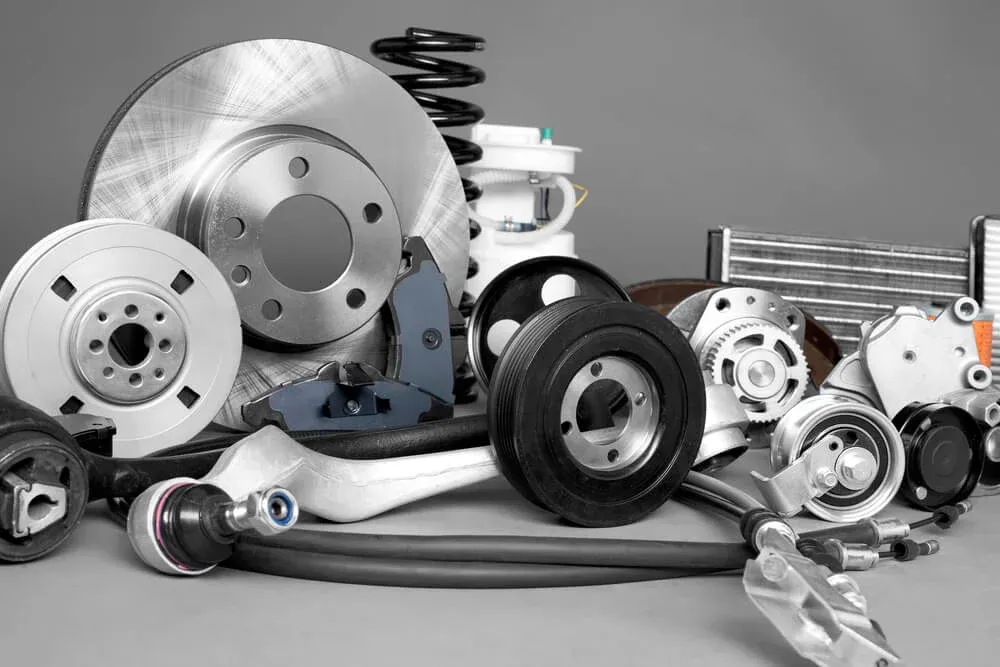
OEM replacement parts are often the difference between a vehicle that performs like new and one that constantly returns to the workshop. If you’ve ever faced confusion at a repair shop—wondering whether to choose genuine components or cheaper alternatives—you’re not alone. Many car owners struggle with this decision.
The truth is simple. The parts you install today directly affect your car’s performance, safety, and resale value tomorrow. Understanding what OEM really means helps you make confident, informed choices.
Let’s explore everything you need to know.
Understanding OEM Replacement Parts
OEM replacement parts are components manufactured by the same company that produced the original parts installed in your vehicle at the factory. OEM stands for “Original Equipment Manufacturer,” which means these parts match the exact specifications of your car’s original build.
When your vehicle rolls off the production line, every component—from brake pads to sensors—is engineered for precision. OEM parts replicate that exact engineering.
This ensures compatibility, reliability, and optimal performance without guesswork.
Unlike generic or aftermarket components, OEM parts are designed specifically for your vehicle’s make, model, and year. That precision eliminates unnecessary adjustments during installation.
Why Car Owners Trust OEM Replacement Parts
Imagine driving on a highway when your brakes feel slightly off. Even a small variation in brake pad material can impact stopping distance. That’s why experienced mechanics often recommend OEM solutions.
The biggest reason drivers prefer OEM replacement parts is consistency. You’re getting the same quality that came with your car originally.
There’s no need to worry about fitment issues. No modifications. No uncertainty about durability.
Many dealerships exclusively install OEM components because they align with manufacturer standards and warranty requirements.
The Difference Between OEM and Aftermarket Parts
The confusion between OEM and aftermarket parts is common.
Aftermarket parts are produced by third-party manufacturers. While some aftermarket brands maintain high quality, others focus on reducing cost rather than preserving original standards.
The difference often shows in materials, testing procedures, and quality control processes.
OEM parts undergo strict manufacturer-approved testing. They meet exact tolerances. Aftermarket components may vary in dimensions or composition, even if slightly.
That slight difference can affect performance, especially in critical systems like suspension, steering, or braking.
When safety is involved, precision matters.
How OEM Replacement Parts Improve Vehicle Longevity
Vehicles are long-term investments. Protecting that investment means maintaining factory standards wherever possible.
Using OEM replacement parts helps maintain the mechanical harmony of your vehicle. Each component is designed to work seamlessly with others.
For example, OEM sensors communicate accurately with your car’s onboard computer. Aftermarket sensors sometimes cause error codes due to calibration differences.
Over time, small inconsistencies can strain connected systems.
Choosing OEM reduces that risk.
OEM Replacement Parts and Warranty Protection
One of the most overlooked benefits of OEM replacement parts is warranty protection.
Many vehicle warranties require genuine parts for certain repairs. Installing non-approved components may void coverage on related systems.
Manufacturers design warranties assuming factory-standard components remain in use.
If you’re driving a newer vehicle, verifying warranty conditions before choosing parts can prevent costly disputes later.
Authorized service centers typically use OEM parts to ensure compliance.
Real-Life Scenario: A Costly Lesson
A friend once decided to save money by installing cheaper brake rotors from an unknown brand. Within months, the rotors warped due to inferior metal composition.
The repair ended up costing more than the original savings.
Had OEM replacement parts been used from the start, the issue likely wouldn’t have occurred.
This example isn’t rare. While not all aftermarket parts fail, inconsistency in quality can lead to premature wear.
Sometimes spending slightly more upfront saves significantly in the long run.
OEM Replacement Parts in Critical Systems
Certain vehicle components demand maximum reliability.
Brake systems require precise friction materials. Airbags require certified safety testing. Engine components must tolerate specific heat ranges.
In such systems, OEM replacement parts provide assurance that engineering standards remain intact.
The manufacturer understands how each part interacts within the larger mechanical structure.
Replacing critical components with non-matching parts can compromise performance and safety.
Quality Control and Manufacturing Standards
OEM manufacturers follow strict quality control protocols.
Parts are tested under controlled environments that simulate real-world stress conditions. These tests measure durability, temperature resistance, vibration tolerance, and more.
OEM suppliers must comply with manufacturer specifications down to microscopic tolerances.
This level of scrutiny reduces defect rates and enhances reliability.
When you install OEM parts, you’re essentially restoring factory-grade performance.
Cost Considerations: Are OEM Parts Worth It?
Many drivers hesitate because OEM parts may appear more expensive.
However, price comparisons should consider lifespan and reliability.
A cheaper part that needs replacement twice as often isn’t truly economical.
OEM components typically offer predictable durability. They are built with high-grade materials matching factory standards.
In many cases, the difference in cost isn’t as dramatic as people assume—especially when purchased through authorized distributors.
Smart budgeting means evaluating long-term value, not just upfront expense.
Availability and Accessibility
Years ago, sourcing OEM replacement parts required dealership visits. Today, authorized online platforms and certified resellers make the process easier.
Still, authenticity matters.
Always verify part numbers, packaging, and seller credibility. Counterfeit auto parts exist in the market and can pose serious safety risks.
Reliable suppliers provide documentation, warranties, and clear return policies.
If unsure, consult a certified mechanic for confirmation before purchase.
Maintaining Resale Value with OEM Replacement Parts
Resale value depends heavily on maintenance history.
When buyers see service records showing OEM replacement parts, it signals responsible ownership.
It demonstrates that the vehicle has been maintained according to manufacturer standards.
Dealerships often offer better trade-in value when original components are preserved.
Consistency in parts and service history builds trust.
OEM Replacement Parts for Modern Vehicles
Modern cars rely heavily on electronic systems.
Advanced driver assistance systems, fuel injection controls, and onboard diagnostics require exact calibration.
Even minor deviations can trigger warning lights or performance issues.
OEM replacement parts integrate seamlessly with these complex systems.
Manufacturers design them to communicate accurately with your vehicle’s software.
In today’s technology-driven vehicles, precision matters more than ever.
Environmental and Safety Considerations
Quality components contribute to environmental efficiency.
OEM engine parts maintain proper combustion efficiency, reducing emissions.
Certified brake and suspension components ensure predictable handling and stopping power.
Safety testing standards followed by OEM manufacturers reduce risk factors associated with part failure.
When your vehicle performs as engineered, both safety and environmental impact improve.
Choosing the Right Supplier
Expert advice matters when selecting components.
Certified mechanics and dealership technicians undergo manufacturer training.
They understand compatibility details that may not be obvious to everyday drivers.
If you choose to purchase parts independently, cross-check VIN numbers and official part codes.
Documentation should always accompany genuine products.
A trusted source ensures authenticity.
Common Misconceptions About OEM Parts
Some believe OEM parts are identical to aftermarket components because they may originate from similar factories.
However, OEM parts follow manufacturer-approved specifications and branding.
Aftermarket versions may be similar but aren’t always identical in quality control.
Another misconception is that OEM parts are always overpriced.
In reality, pricing reflects testing, certification, and engineering consistency.
When viewed from a performance and safety perspective, value becomes clearer.
Professional Recommendations and Industry Expertise
Automotive professionals frequently recommend OEM replacement parts for long-term reliability.
Technicians who see repeated failures from inferior components often advise sticking with factory standards.
Industry studies consistently show that consistent maintenance using approved parts reduces unexpected breakdowns.
Expert-backed recommendations strengthen confidence in choosing OEM.
When professionals with hands-on experience advocate for something, it’s worth considering.
When Aftermarket Might Make Sense
While OEM parts are often ideal, certain situations allow flexibility.
Non-critical cosmetic components or older vehicles out of warranty may not require strict factory matching.
However, evaluating brand reputation remains essential.
For critical mechanical systems, manufacturer-grade precision remains the safer choice.
Balancing budget and reliability requires informed decision-making.
The Long-Term Perspective
Vehicles today are engineered with intricate precision.
Each part contributes to overall harmony within the mechanical system.
Replacing components with factory-approved equivalents preserves that balance.
OEM replacement parts are not just about branding. They represent engineering integrity, safety assurance, and performance consistency.
When you consider the full lifespan of your vehicle, that consistency matters.
Smart ownership involves informed decisions.
Protecting your investment, ensuring safety, and maintaining performance all begin with understanding what goes into your vehicle.
Read also :-
3392036535
18002319631
8659469900
4694479458
8777640833

