
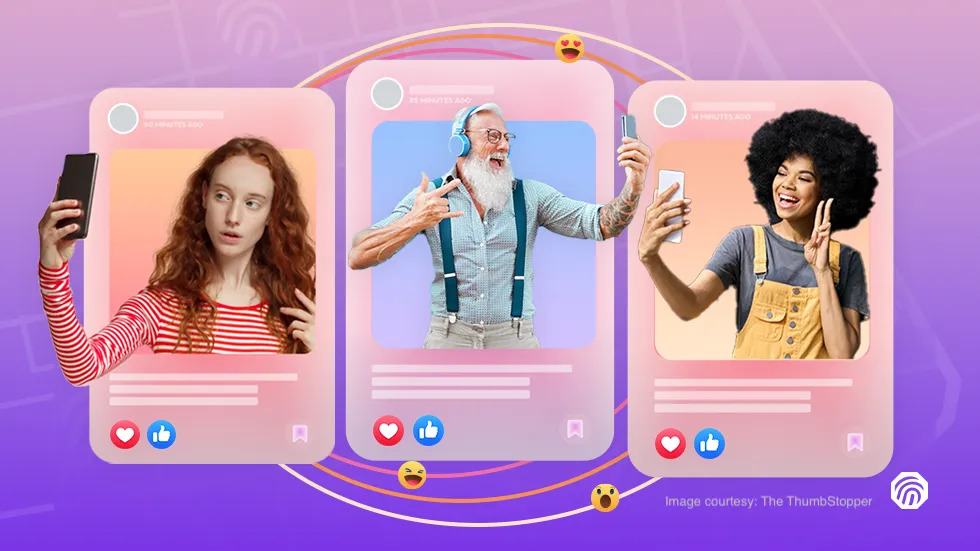
Micro-influencer marketing has quietly become one of the most effective digital growth strategies for modern brands. While large influencers dominate headlines with massive follower counts, smaller creators are often driving deeper engagement, stronger trust, and higher conversion rates.
A few years ago, I worked with a startup skincare brand struggling to compete with industry giants. Their budget couldn’t afford celebrity endorsements. Instead, they partnered with ten niche beauty creators, each with fewer than 30,000 followers. Within three months, their website traffic doubled, and product sales increased steadily. The difference wasn’t reach. It was relevance and trust.
This article explores how to leverage micro-influencers strategically while maintaining EEAT principles—Experience, Expertise, Authoritativeness, and Trustworthiness. If executed correctly, this approach can outperform traditional advertising methods and build long-term brand equity.
Table of Contents
ToggleWhy Micro-Influencer Marketing Is Reshaping Digital Advertising
Consumers today are skeptical of traditional ads. Polished celebrity endorsements often feel distant and scripted.
Micro-influencers, typically defined as creators with 10,000 to 100,000 followers, maintain close relationships with their audiences. Their communities are more engaged and interactive.
Micro-influencer marketing works because followers view these creators as relatable peers rather than unreachable celebrities. That relatability drives authentic conversations around products and services.
Trust influences buying decisions more than visibility alone.
The Psychology Behind Micro-Influencer Marketing
Human behavior plays a significant role in marketing effectiveness.
When someone sees a mega influencer promoting a product, the interaction often feels transactional. However, when a smaller creator shares a personal experience using a product, it feels genuine.
Authenticity triggers emotional connection.
Many micro-influencers respond to comments, engage in conversations, and build loyal communities. This interaction fosters social proof that feels organic rather than manufactured.
In digital ecosystems saturated with advertisements, authenticity stands out.
How to Identify the Right Micro-Influencers
Choosing the right creators requires more than scanning follower counts.
Look closely at engagement rates. A creator with 20,000 followers and 1,500 consistent likes per post may outperform one with 80,000 followers and minimal interaction.
Audience alignment is equally important. If you sell fitness supplements, partner with creators who consistently share health-focused content, not general lifestyle posts.
Experience shows that relevance outperforms popularity.
When evaluating partnerships, review past collaborations. Do they align with your brand values? Are disclosures transparent? Credibility matters.
Building a Strategic Micro-Influencer Marketing Campaign
A successful campaign begins with clarity.
Define your objective first. Are you aiming to increase brand awareness, generate leads, or boost direct sales?
Then structure collaborations intentionally. Instead of one-off sponsored posts, consider multi-post storytelling campaigns. Allow influencers to document their experience over time.
Consistency reinforces trust.
When creators genuinely integrate products into their daily routines, audiences perceive authenticity rather than promotion.
Budget Efficiency and ROI
One of the strongest advantages of Micro-influencer marketing is cost efficiency.
Large influencers demand significant fees. Micro-creators are often more affordable and open to product exchanges or performance-based partnerships.
With the same budget allocated to one celebrity post, brands can collaborate with multiple micro-influencers, diversifying reach and reducing risk.
This diversification increases overall campaign resilience.
Higher engagement rates often translate into stronger ROI compared to broad but shallow exposure.
Real-Life Example: Local Brand Expansion
A regional café chain wanted to increase foot traffic without investing heavily in paid ads.
They collaborated with local food bloggers who had dedicated community followings. Each influencer shared authentic dining experiences, highlighting ambiance and menu items.
Within weeks, the café noticed increased weekend reservations and social media mentions.
The campaign succeeded because recommendations came from trusted local voices.
Localized Micro-influencer marketing can drive tangible offline results.
Creating Authentic Collaborations
For partnerships to feel natural, brands must allow creative freedom.
Rigid scripts often reduce authenticity. Instead, provide clear guidelines while trusting influencers to communicate in their own voice.
Encourage honest feedback rather than forced positivity.
Audiences value transparency. If a creator mentions both pros and minor drawbacks, the review appears more credible.
Trustworthiness strengthens long-term brand perception.
Measuring Campaign Performance
Data analysis ensures strategic improvement.
Track metrics such as engagement rate, click-through rate, website visits, and conversion rates. Use unique discount codes or affiliate links to measure direct sales impact.
Evaluate qualitative feedback as well. Are followers asking questions? Sharing posts? Tagging friends?
Numbers provide insight, but sentiment reveals influence depth.
Continuous optimization improves future campaigns.
Micro-Influencer Marketing and EEAT Principles
Experience matters. Influencers who genuinely use products provide credible insights.
Expertise strengthens authority. For example, a certified fitness coach recommending supplements carries more weight than a general lifestyle blogger.
Authoritativeness grows when influencers consistently create valuable niche content.
Trustworthiness emerges through transparent sponsorship disclosures and honest reviews.
When Micro-influencer marketing aligns with EEAT principles, brand reputation strengthens rather than weakens.
Long-Term Relationships vs. One-Time Posts
Short-term collaborations may generate temporary spikes in visibility.
However, long-term partnerships create deeper brand association. When an influencer repeatedly features a product over months, audiences perceive genuine loyalty.
This sustained visibility builds stronger memory retention.
Brands that nurture ongoing collaborations often see higher lifetime customer value.
Consistency transforms promotion into endorsement.
Micro-Influencer Marketing Across Platforms
Instagram remains a dominant platform for influencer campaigns, but TikTok, YouTube, and LinkedIn are increasingly important.
TikTok thrives on short-form authenticity. YouTube enables in-depth product reviews. LinkedIn supports professional and B2B collaborations.
Tailor your campaign strategy to platform culture.
Different audiences respond differently to content formats.
Adaptability ensures relevance.
Risk Management and Brand Safety
While influencer partnerships offer benefits, they also require careful vetting.
Review past content for controversial behavior or inconsistent messaging. Brand alignment protects reputation.
Clear contracts outlining expectations and disclosure requirements reduce misunderstandings.
Professionalism ensures smooth collaboration.
Trust takes years to build and moments to damage.
Community Building Through Micro-Influencers
One overlooked benefit of Micro-influencer marketing is community expansion.
Influencers introduce your brand to niche communities already built on trust. When followers see consistent recommendations, they begin associating your brand with reliability.
Encourage user-generated content inspired by influencer campaigns. Repost customer testimonials and share audience feedback.
Community engagement amplifies campaign impact beyond initial posts.
Scaling Campaigns Strategically
As results improve, scaling becomes possible.
Instead of increasing influencer size, expand horizontally by partnering with multiple micro-creators in complementary niches.
For example, a wellness brand could collaborate with nutritionists, yoga instructors, and mental health advocates simultaneously.
This multi-niche approach broadens reach while maintaining authenticity.
Strategic scaling prevents overdependence on a single influencer.
The Future of Micro-Influencer Marketing
The influencer landscape continues evolving.
Audiences increasingly value transparency, relatability, and niche expertise over glamour. Brands that recognize this shift gain competitive advantage.
Technology now allows deeper analytics, making it easier to evaluate influencer impact accurately.
As digital noise increases, authentic voices become more valuable.
Micro-influencers represent the intersection of trust and reach.
Building Brand Authority Through Collaboration
When executed thoughtfully, influencer collaborations do more than drive sales. They shape perception.
Brands associated with credible voices gain social proof. Over time, repeated exposure through trusted creators positions companies as industry leaders.
Authority compounds through association.
Strong partnerships create long-term brand narratives rather than isolated advertisements.
Human Connection in a Digital Marketplace
At its core, marketing is about relationships.
Micro-influencer marketing thrives because it centers on human connection rather than mass broadcasting.
When real people share real experiences, audiences listen.
In an era dominated by automation and paid advertising, genuine recommendations feel refreshing.
Brands willing to prioritize authenticity, nurture relationships, and measure impact carefully will continue to unlock powerful growth through this strategy.
And as digital consumers become more discerning, trust-driven collaborations will remain one of the most sustainable paths to meaningful, measurable success.
Read also:

