
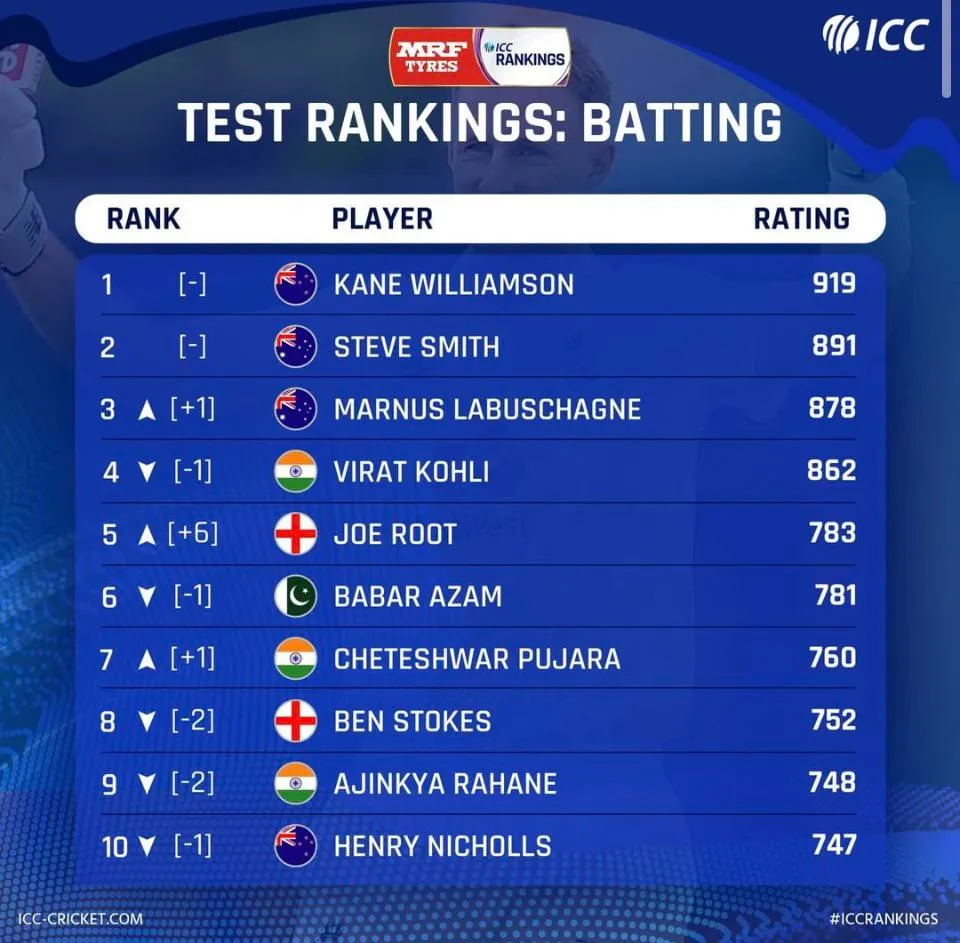
Test cricket rankings have always been the gold standard for measuring excellence in the longest and most challenging format of the game. From legendary batsmen carving centuries on difficult pitches to bowlers dominating with swing and spin over five days, Test cricket rankings tell a story of endurance, skill, and consistency.
For cricket fans, analysts, and aspiring players, understanding how these rankings work is like decoding the DNA of elite performance. They reflect not just talent, but mental toughness, adaptability, and sustained dominance over years.
This article dives deep into how Test cricket rankings are calculated, their history, the current system, famous players who topped the charts, and why these rankings still matter in modern cricket.
Table of Contents
ToggleUnderstanding Test Cricket Rankings in Modern Cricket
Test cricket rankings are published by the International Cricket Council (ICC) and are considered the most authoritative ranking system in world cricket. They cover three main categories: teams, batsmen, bowlers, and all-rounders.
Unlike T20 or ODI rankings, Test rankings are influenced heavily by long-term performance, match context, opposition strength, and conditions. A hundred in Australia or England often carries more weight than runs on flatter pitches. Similarly, taking wickets in the subcontinent requires different skills compared to swinging conditions in England.
These rankings are updated after every Test match and reflect the dynamic nature of international cricket. Players move up or down depending on their recent performances, making the system competitive and constantly evolving.
The Evolution of Test Cricket Rankings
The concept of ranking players in Test cricket was not always formalized. In the early days of cricket, reputations were built through newspaper reports, word of mouth, and historical records. Legends like Don Bradman, Jack Hobbs, and Garfield Sobers were recognized as greats without any official ranking system.
The ICC introduced official rankings in the early 2000s to bring transparency and consistency to evaluating performances. Over time, the ranking algorithms became more sophisticated, considering factors like match result, opposition quality, and match location.
Today, Test cricket rankings are used by broadcasters, analysts, fantasy cricket platforms, and cricket boards to evaluate talent and performance.
How ICC Calculates Test Cricket Rankings
The ranking system uses a complex algorithm that assigns rating points to players and teams. These points depend on multiple variables, including recent performance, match result, and opposition strength.
For batsmen, runs scored, strike rate, match situation, and opposition bowling quality are considered. For bowlers, wickets taken, economy rate, and pitch conditions play a role. All-rounders receive points based on combined batting and bowling contributions.
Teams are ranked based on match results, series outcomes, and opposition strength. Winning away series against strong teams carries significant weight in team rankings.
This system ensures that rankings reflect not just raw numbers but meaningful performances under pressure.
Test Cricket Rankings for Teams
Team rankings in Test cricket reflect the overall strength and consistency of national teams. Historically, Australia dominated Test cricket rankings for decades with their aggressive style and strong bench strength. India, England, South Africa, and New Zealand have also held the top position at different times.
In recent years, India has been a dominant force, especially in home conditions, while Australia and England remain strong contenders. New Zealand’s rise to the top showcased how a balanced team with disciplined bowling and solid batting can challenge traditional powerhouses.
Team rankings influence scheduling, broadcasting deals, and the prestige of series like The Ashes, Border-Gavaskar Trophy, and ICC World Test Championship.
Test Cricket Rankings for Batsmen
Batting rankings in Test cricket celebrate players who consistently score runs against the best bowlers in challenging conditions. Legends like Sachin Tendulkar, Ricky Ponting, and Kumar Sangakkara have topped the rankings during their careers.
In modern cricket, players like Joe Root, Kane Williamson, Babar Azam, and Marnus Labuschagne have reached the pinnacle of batting rankings. Their ability to adapt to different conditions, play long innings, and anchor teams has earned them high rating points.
Batting rankings also reflect technical excellence. Players who perform well in swinging conditions, on turning tracks, and against fast bowling attacks are rewarded in the ranking system
Test Cricket Rankings for Bowlers
Bowling rankings highlight players who can dominate batsmen across diverse conditions. Historically, legends like Shane Warne, Muttiah Muralitharan, and Glenn McGrath ruled the charts with their extraordinary skills.
In recent times, bowlers like Ravichandran Ashwin, Pat Cummins, James Anderson, and Kagiso Rabada have held top positions. Their ability to take wickets consistently and influence match outcomes makes them valuable assets to their teams.
Bowling rankings often fluctuate more than batting rankings because wickets can be influenced by pitch conditions and match situations. However, consistently high-ranking bowlers are usually match-winners.
Test Cricket Rankings for All-Rounders
All-rounder rankings recognize players who contribute significantly with both bat and ball. This category is highly prestigious because genuine all-rounders are rare in Test cricket.
Legends like Sir Ian Botham, Imran Khan, and Kapil Dev were among the greatest all-rounders in history. In modern cricket, players like Ben Stokes, Ravindra Jadeja, and Shakib Al Hasan have dominated all-rounder rankings.
All-rounders add balance to teams and often change the course of matches with their versatility. Their ranking points are calculated by combining their batting and bowling performances.
Why Test Cricket Rankings Still Matter
In the era of T20 leagues and franchise cricket, some critics argue that Test cricket is losing relevance. However, Test cricket rankings remain highly respected among players and fans.
Being ranked number one in Test cricket is considered one of the highest achievements in the sport. Players often describe topping the Test rankings as a career-defining moment. Teams also celebrate reaching the top ranking as a symbol of dominance and consistency.
Test cricket rankings also influence the ICC World Test Championship standings, which adds competitive context to bilateral series.
Test Cricket Rankings and the World Test Championship
The introduction of the ICC World Test Championship (WTC) has added new significance to Test cricket rankings. While rankings measure overall performance, WTC points determine qualification for the final.
Teams ranked highly in Test cricket often perform well in the WTC, but the points system focuses on series results. This dual system ensures that teams remain competitive in every Test series.
Fans now follow both Test cricket rankings and WTC standings to understand the global Test cricket landscape.
Test cricket rankings and Player Legacy
For players, rankings are more than numbers. They represent recognition of hard work, resilience, and excellence. Being ranked number one in Test cricket often cements a player’s legacy among the greats.
Sachin Tendulkar, for example, topped the batting rankings multiple times during his career, reinforcing his status as one of the greatest batsmen in history. Similarly, Muralitharan’s dominance in bowling rankings highlighted his extraordinary wicket-taking ability.
Modern players also value rankings as a benchmark of their progress and consistency.
Factors That Influence Test Cricket Rankings
Several factors influence Test cricket rankings, making them dynamic and context-driven. Match location plays a crucial role because conditions vary significantly across countries. Performing well in overseas conditions often earns higher rating points.
Opposition strength is another key factor. Scoring runs against top-ranked bowling attacks or taking wickets against strong batting line-ups carries more weight. Match result also influences ratings, as winning performances are rewarded more than performances in losing causes.
These factors ensure that rankings reflect meaningful contributions rather than just statistics.
Test cricket rankings and Fan Engagement
Cricket fans closely follow rankings to track their favorite players and teams. Rankings fuel debates on social media, sports shows, and cricket forums. Fans compare players across eras and discuss who deserves the top spot.
Rankings also influence fantasy cricket selections and betting markets. High-ranked players are often considered safe picks due to their consistent performance.
This engagement keeps Test cricket relevant in the digital age, where data-driven analysis and statistics dominate sports discussions.
The Role of Analytics in Test Cricket Rankings
Modern cricket analytics has transformed how rankings are interpreted. Analysts use advanced metrics like batting impact, bowling impact, and match context to understand ranking movements.
Teams use ranking data to plan strategies, select squads, and identify key players. Broadcasters use rankings to build narratives around matches, enhancing viewer experience.
Data-driven insights have made Test cricket rankings more transparent and informative for fans and professionals alike.
Test cricket rankings and Young Emerging Players
Young players often dream of breaking into the top rankings as a sign of success. Rising stars like Shubman Gill, Harry Brook, and Rachin Ravindra have shown potential to climb the rankings in the future.
Rankings motivate young cricketers to focus on consistency, technique, and mental strength. Coaches and selectors also use rankings to identify talent and measure progress.
For emerging players, entering the top 10 in Test cricket rankings is a major milestone in their careers.
Historical Records in Test Cricket Rankings
Several players have set records in Test cricket rankings. Don Bradman’s batting average of 99.94 remains unmatched, though official rankings were not present during his era.
Muttiah Muralitharan and Shane Warne dominated bowling rankings for years, showcasing their mastery of spin bowling. Sachin Tendulkar’s longevity at the top of batting rankings demonstrated his consistency across generations.
These historical records add depth and context to modern rankings and inspire future generations.
The Psychology Behind Ranking Pressure
Being ranked number one comes with immense pressure. Opponents analyze top-ranked players more closely, and expectations from fans and media increase.
Some players thrive under this pressure, while others struggle to maintain their ranking. Mental toughness, preparation, and adaptability are crucial for sustaining a top ranking position.
Players often talk about ignoring rankings and focusing on performance, but the psychological impact of rankings cannot be underestimated
Test cricket rankings in the Digital Era
In the digital era, rankings are updated in real-time and shared across social media platforms, sports apps, and websites. Fans receive instant notifications when rankings change, making cricket more interactive and engaging.
Digital platforms also provide historical ranking data, allowing fans to analyze trends and compare players across eras. This accessibility has increased the popularity and relevance of Test cricket rankings among younger audiences.
The Future of Test Cricket Rankings
The future of Test cricket rankings will likely involve more advanced analytics and AI-driven models. These systems may consider factors like match impact, clutch performance, and opposition difficulty in greater detail.
As cricket continues to evolve, rankings will remain a key metric for evaluating excellence in the longest format. They will continue to shape narratives, influence selections, and inspire players worldwide.
Test cricket rankings continue to symbolize the highest level of achievement in cricket. They represent not just skill, but endurance, adaptability, and consistency over time. From legendary players to modern stars, rankings tell the story of cricket’s evolution and the pursuit of greatness in the purest format of the game.
Read also:-
sri lanka national cricket team vs new zealand national cricket team match scorecard
mumbai cricket team vs vidarbha cricket team
bangladesh national cricket team vs west indies cricket team match scorecard
afghanistan national cricket team vs zimbabwe national cricket team match scorecard

