
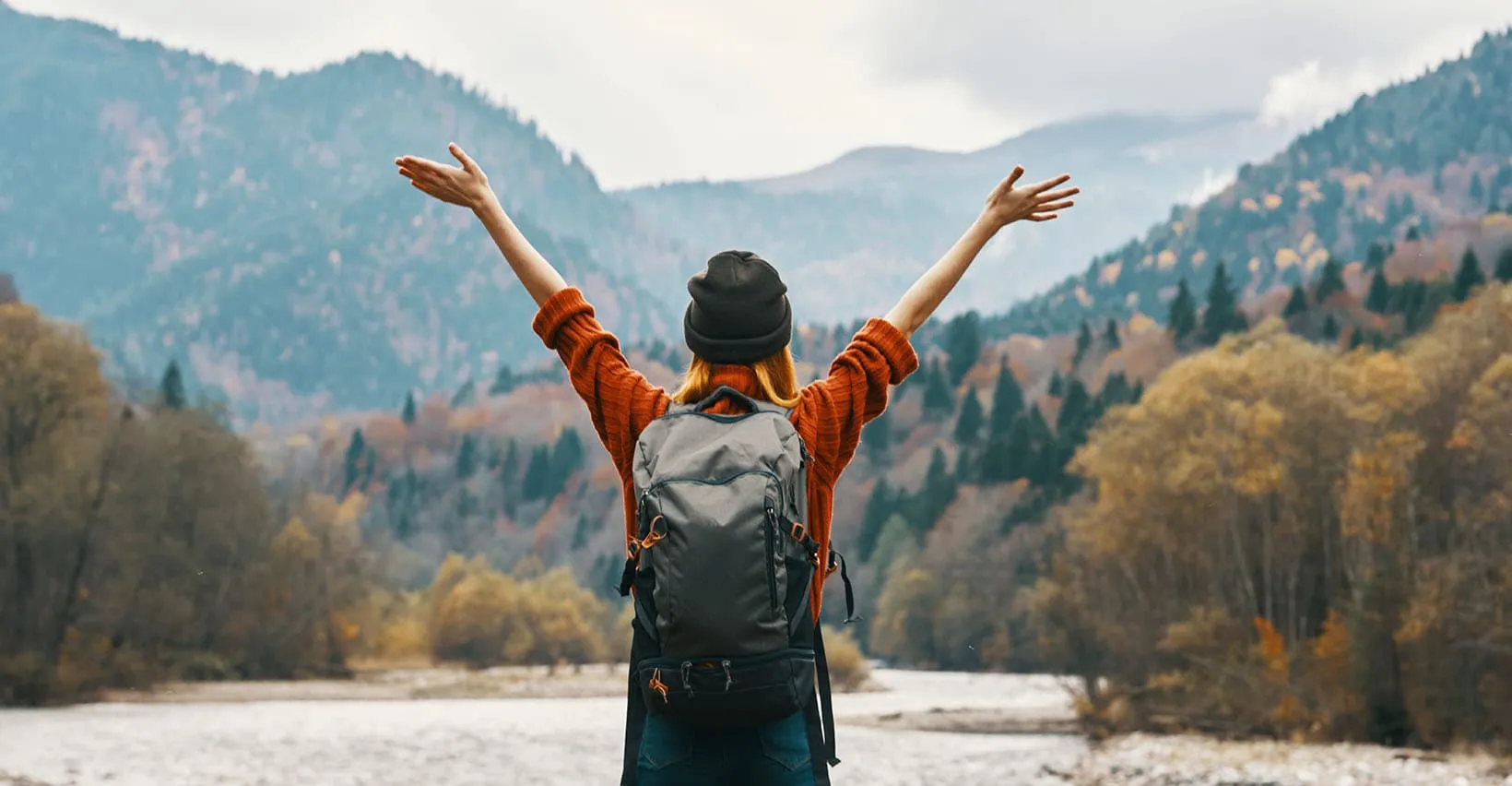
Slow travel movement philosophies are rapidly changing how we view the world, moving us away from the frantic pace of traditional tourism toward a more grounded and intentional way of exploring. I remember standing in the middle of a crowded square in Venice a few years ago, watching hundreds of people rush past ancient cathedrals just to snap a quick photo before running to the next landmark. It felt less like a vacation and more like a high-stakes endurance race. In that moment, I realized that I didn’t want to just “see” a city; I wanted to feel its pulse, understand its history, and breathe its air without looking at my watch every five minutes.
The core of this philosophy is the rejection of the “ticking boxes” mentality that has dominated the travel industry for decades. We have been conditioned to believe that a successful trip is measured by the number of countries we can cram into a single week. However, the Slow travel movement invites us to do the exact opposite. It encourages us to stay in one place long enough to recognize the local baker, to learn the subtle nuances of a regional dialect, and to allow serendipity to guide our afternoons instead of a rigid itinerary printed weeks in advance.
When we slow down, the entire texture of our journey shifts from a superficial glance to a deep, meaningful immersion. You begin to notice the way the light hits the cobblestones in the early morning or how the scent of the air changes when the local market opens. These are the details that are lost when we are rushing from one airport to another. By choosing to stay in a single neighborhood for two weeks instead of hopping through five cities, you transform from a mere spectator into a temporary resident, gaining a perspective that no guidebook could ever provide.
I once spent a month in a tiny village in the mountains of Portugal, a place that most tourists would have driven past without a second thought. My only goal for the first week was to find the best place to buy fresh olives and to learn how to order my coffee like a local. By the third week, I was being invited into back gardens to taste homemade wine and hearing stories about the village’s history that haven’t been written down in any official records. That experience taught me that the true magic of travel happens in the quiet gaps between the famous landmarks.
Embracing the heart of the Slow travel movement
The environmental impact of our travel choices is a significant driver behind the growth of this intentional way of living. We are increasingly aware of the carbon footprint associated with short-haul flights and the strain that “overtourism” puts on fragile ecosystems and historical sites. By choosing to travel by train instead of plane, or by walking and cycling once we arrive, we significantly reduce our impact on the planet. The Slow travel movement is inherently a more sustainable way to see the globe, favoring quality over quantity and preservation over consumption.
There is also a profound economic benefit to the communities we visit when we choose to linger. Traditional fast-paced tourism often funnels money into large international hotel chains and global tour operators. When you slow down, you are more likely to stay in a locally-owned guesthouse, eat at family-run trattorias, and buy your souvenirs directly from the artisans who made them. This ensures that your travel dollars are actually supporting the people who call these beautiful places home, creating a more equitable and respectful relationship between the traveler and the host.
Expertise in this field isn’t just about knowing the best hidden spots; it’s about understanding the psychology of presence. Many travelers struggle with the “fear of missing out” (FOMO) when they aren’t constantly moving toward the next big attraction. Overcoming this fear is the first step toward a successful slow journey. It requires a conscious effort to value the quality of an interaction over the quantity of sights seen. When you stop worrying about what you might be missing “over there,” you finally become available to enjoy what is happening right in front of you.
Trustworthiness in the travel space is built on authentic experiences, and nothing is more authentic than a meal shared with people who have lived in a region for generations. In the Slow travel movement, food is not just sustenance; it is a gateway to culture. Instead of eating at the restaurant with the English menu in the town square, you find yourself wandering down a side street to find where the locals eat their Sunday lunch. These culinary experiences become the highlights of the trip, far outlasting the memory of any museum or monument.
Why the Slow travel movement changes how we see the world
The rise of digital nomadism has also played a massive role in popularizing this approach. As more people gain the freedom to work from anywhere, the line between living and traveling has become beautifully blurred. When you have to work during the day, you naturally have to slow down your exploration. You find your favorite coffee shop to work from, you develop a routine, and you integrate into the local community. This lifestyle proves that you don’t need to be “on holiday” to explore the world; you just need to be willing to change your zip code for a while.
One of the most rewarding aspects of this journey is the linguistic connection you can build. Even if you only learn twenty basic phrases, the effort of speaking the local language opens doors that remain closed to the average tourist. When you stay in one place, you have the time and the repetition needed to practice these skills. Locals appreciate the effort, and it often leads to deeper conversations and more genuine connections. It turns a transaction into a relationship, which is the ultimate goal of any deep travel experience.
Authoritativeness in travel writing often comes from a place of “conquering” a destination, but the Slow travel movement is about “surrendering” to it. It is about letting go of the need to be in control and allowing the destination to reveal itself to you on its own terms. This might mean getting lost on a walk and finding a hidden vineyard, or spending an entire afternoon reading a book in a sun-drenched plaza. These “unproductive” moments are often where the most profound personal growth occurs, as they give us the space to reflect on our place in the larger world.
I remember a woman named Maria whom I met in a small town in southern Italy. She ran a tiny pottery shop that had been in her family for three generations. Because I was staying in the apartment above her shop for a month, we saw each other every day. We didn’t share a common language, but through gestures, drawings, and the occasional help of a translation app, she taught me the history of the clay she used. Had I been on a standard tour, I would have walked past her shop in five seconds. Instead, I left with a deep respect for her craft and a story I will tell for the rest of my life.
The logistical side of this movement is also worth exploring, as it requires a different approach to planning. Instead of booking a dozen different hotels, you find one home base that offers comfort and character. You look for accommodations with kitchens so you can shop at the local markets and try your hand at cooking regional dishes. This not only saves money but also provides a deeper sense of belonging. There is a unique satisfaction in knowing exactly which stall has the best cheese and which neighbor has the sweetest oranges.
Transportation becomes an adventure in itself when you choose the slow path. A six-hour train ride through the Swiss Alps or the Scottish Highlands is not a “waste of time”; it is a moving cinema of some of the world’s most beautiful landscapes. It allows you to see the gradual change in geography and architecture that you completely miss when you are thirty thousand feet in the air. The rhythm of the rails and the changing scenery out the window provide a meditative space that prepares you for the destination ahead.
We also have to discuss the mental health benefits of slowing down our pace of life, even if only for a few weeks. Modern life is defined by constant connectivity and a relentless “hustle” culture that leaves many of us feeling drained and disconnected. The Slow travel movement acts as a much-needed reset button. It gives our brains the chance to detox from the digital noise and to reconnect with our physical surroundings. It reminds us that we are human beings, not human doings, and that our value is not measured by our productivity.
Planning a slow trip requires a certain level of bravery, as it goes against everything the mainstream travel industry tells us. You have to be comfortable with the idea of “doing nothing” for a day. You have to be okay with not seeing every famous landmark listed in the “top ten” articles. But the reward for this bravery is a sense of peace and fulfillment that no whirlwind tour could ever provide. You return home feeling rejuvenated and enriched, rather than exhausted and in need of another vacation to recover from the first one.
Technology, while often a distraction, can be a powerful ally in the Slow travel movement if used correctly. Apps that help you find local walking trails, community events, or language exchanges can enhance your connection to a place. However, the key is to use technology as a bridge to the real world, rather than a barrier. I always recommend setting aside specific “offline” hours during a slow trip to ensure that you are fully present in your surroundings. Put the phone away and let your eyes wander; you’ll be amazed at what you see when you aren’t looking at a screen.
Cultural preservation is another critical pillar of this movement. When tourists rush through a place, the local culture often becomes a “performance” designed to satisfy a quick photo opportunity. When travelers stay longer and engage more deeply, they contribute to the preservation of authentic traditions. They support the festivals that the locals actually attend, they patronize the traditional crafts that require time and skill, and they respect the local customs that are often ignored by the “fast” crowd. It is a more ethical way to engage with the beauty of our diverse world.
The concept of “time wealth” is something that often comes up in discussions about this movement. We are taught to value financial wealth, but time is the only truly non-renewable resource we have. Choosing to spend your time deeply in one place is a radical act of valuing your own life experience. It is an acknowledgment that your time is precious and that it deserves to be spent on things that nourish your soul. This shift in perspective can have a ripple effect on your entire life, changing how you spend your time even when you return home.
I have found that the people who embrace the Slow travel movement tend to be more resilient and adaptable. When you aren’t on a strict schedule, a delayed train or a rainy day isn’t a disaster; it’s just another part of the story. You learn to find the beauty in the unexpected and to navigate challenges with a sense of humor and grace. This flexibility is a valuable life skill that serves us well in all areas of our existence. It allows us to move through the world with curiosity rather than expectation.
Socially, slow travel allows for more authentic cross-cultural exchange. When you stay in one place, you move beyond the “service” relationship of waiter and customer or hotel clerk and guest. You become part of the daily life of the street. You start to understand the local political climate, the challenges the community faces, and the things they celebrate. This empathy is the true antidote to the divisions that often plague our world. It reminds us that despite our different backgrounds, we all share the same basic human desires for connection, safety, and joy.
If you are new to this way of traveling, you don’t have to start by moving to a remote village for a year. You can start by simply adding three extra days to your next trip and vowing to leave one of those days completely unplanned. See where your feet take you. Talk to a stranger. Sit on a park bench for an hour and just watch the world go by. These small steps will give you a taste of the freedom and depth that the Slow travel movement offers, and before long, you may find that you never want to travel “fast” ever again.
The beauty of this movement is that it is accessible to everyone, regardless of their budget or destination. You can practice slow travel in a neighboring city or on the other side of the planet. It is a state of mind rather than a specific price point. It is about choosing to be a traveler rather than a tourist, an explorer rather than a consumer. It is a lifelong journey of discovery that begins the moment you decide to take a breath, look around, and truly see the world for the first time.
As we look toward the future of global exploration, it is clear that the old models of mass tourism are no longer sustainable or fulfilling. We are searching for something deeper, something more real, and something that leaves us better than it found us. The Slow travel movement provides the roadmap for this new era of exploration. It invites us to be more than just visitors; it invites us to be part of the global family, one slow, beautiful step at a time. The world is waiting for us, and it is far more beautiful than any postcard could ever suggest.
We must also acknowledge the role of “slow food” as the ancestor of this movement. Just as the slow food movement was a response to the rise of fast food and the industrialization of our meals, slow travel is a response to the industrialization of our experiences. It is a reclamation of our right to savor the world, to taste its flavors, and to appreciate the labor and love that goes into creating a beautiful life. By aligning our travel habits with our values, we create a more harmonious and joyful existence for ourselves and for the people we meet along the way.
When you finally return home from a slow journey, the transition can be bittersweet. You might find that the frantic pace of your “normal” life feels a bit more jarring than it did before. But you carry the lessons of the movement with you. You realize that you can choose to move more slowly in your own neighborhood, to shop at your local farmers’ market, and to make time for the people in your own community. The true success of a slow trip is not just in the memories you bring back, but in the person you become because of the journey.
The world is a vast and intricate tapestry of stories, and we only get to see a tiny fraction of it in our lifetime. The Slow travel movement ensures that the fraction we do see is vivid, deeply felt, and truly understood. It is the difference between reading the sparknotes of a masterpiece and spending hours lost in its pages. So, the next time you feel the urge to book a ten-city tour, I encourage you to pause. Pick one place, stay a while, and let the world show you what you’ve been missing in all the rush.
Read also :-
| young18gye |
| miofragia |
| qapoxerfemoz |

