
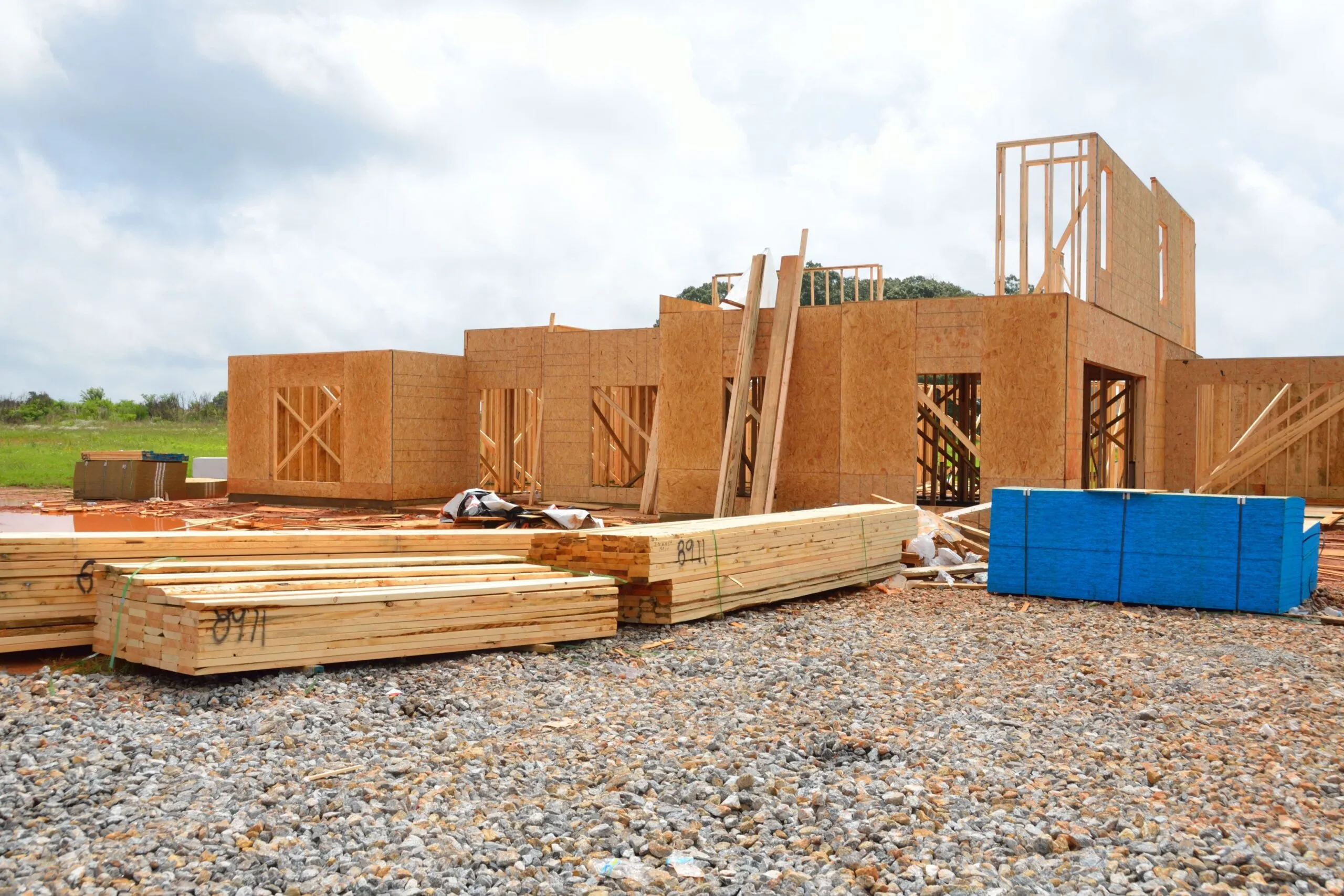
Pre-construction property deals attract investors and homebuyers who want to enter the real estate market before a project is fully built. The idea sounds simple: buy early at a lower price, wait for construction to complete, and benefit from appreciation. But behind that simplicity lies a strategy that requires research, patience, and risk awareness.
I once worked with a young investor who reserved an apartment in a developing suburb long before the first brick was laid. At the time, the surrounding area looked empty and underdeveloped. Friends questioned the decision. Three years later, new roads, retail outlets, and office spaces transformed the neighborhood. By the time possession was offered, the property’s market value had increased significantly.
That story highlights why early entry can be powerful. However, not every project delivers such results. This guide explores how to evaluate opportunities carefully, manage risks, and approach real estate development with a professional mindset.
Understanding the Basics of Buying Before Construction
When you invest in a property that has not yet been built, you are essentially purchasing based on plans, brochures, and projected timelines. Developers offer early-bird pricing to raise capital for construction.
Buyers usually pay in installments tied to project milestones. This staged payment structure makes entry more affordable compared to paying the full value upfront.
Successful Pre-construction property deals rely on selecting projects with realistic pricing and credible builders. Without due diligence, buyers may face delays or unmet expectations.
It is important to review floor plans carefully and understand exactly what is included in the agreement.
Why Investors Are Drawn to Pre-Construction Opportunities
Early pricing is one of the biggest attractions. Developers often offer lower rates during the launch phase to generate interest and secure funding.
If the market grows during construction, buyers can benefit from appreciation even before possession. In strong markets, some investors sell their booking rights for profit before completion.
Another advantage is customization. Buyers may be able to choose layouts, finishes, or preferred floors.
The appeal of Pre-construction property deals lies in combining flexibility with potential capital growth.
However, returns depend heavily on location and developer performance.
Pre-Construction Property Deals and Market Timing
Timing plays a crucial role in real estate profitability.
Entering a project during the early stage of a rising market cycle can lead to strong returns. Conversely, launching during an economic slowdown may limit growth potential.
Research local supply and demand trends. Too many similar projects in one area can suppress prices and rental yields.
Experienced investors monitor employment growth, infrastructure expansion, and demographic shifts.
Analyzing these indicators helps determine whether early entry aligns with long-term demand.
Evaluating the Developer’s Reputation
One of the most important steps in securing profitable Pre-construction property deals is researching the builder.
Examine the developer’s past projects. Were they delivered on time? Did they meet promised specifications? Are previous buyers satisfied?
Online reviews, site visits to completed developments, and conversations with existing residents provide valuable insights.
Financial stability is equally important. A well-capitalized developer is more likely to complete construction without interruption.
Trustworthy builders communicate transparently and provide clear contractual documentation.
Understanding Payment Structures and Financing
Pre-construction purchases usually involve milestone-based payments.
An initial booking amount is followed by scheduled installments during foundation, structural completion, and finishing stages.
Some developers offer flexible plans such as construction-linked or time-based payment schemes.
Buyers should review loan eligibility and financing terms early. Banks often assess developer credibility before approving funding.
Responsible planning ensures that monthly financial commitments remain manageable throughout the project duration.
Clarity in payment terms prevents unexpected financial strain.
Risks Associated with Buying Early
While profit potential is attractive, risks cannot be ignored.
Construction delays are among the most common concerns. Regulatory approvals, labor shortages, or supply chain disruptions may extend timelines.
Market conditions can also shift during multi-year construction periods. A downturn may limit appreciation.
In some cases, promised amenities may not match initial marketing materials.
Understanding these risks allows buyers to approach Pre-construction property deals realistically rather than emotionally.
Risk mitigation begins with thorough documentation review and professional legal consultation.
Legal Due Diligence and Documentation
Always verify land ownership documents and development approvals before committing.
Check zoning permissions, environmental clearances, and local authority certifications.
A transparent agreement should clearly outline possession timelines, penalty clauses for delays, and refund policies.
Consulting a real estate lawyer ensures that terms protect your interests.
Professional due diligence strengthens buyer confidence and reduces legal complications.
Investing time in paperwork review may prevent future disputes.
Comparing Pre-Construction vs Ready Properties
Both investment types have advantages.
Ready properties provide immediate possession and rental income. There is no waiting period, and what you see is what you get.
In contrast, Pre-construction property deals often offer lower entry prices and staged payment flexibility.
However, they involve waiting and potential uncertainty.
The choice depends on your investment strategy. If you seek steady rental income immediately, completed properties may suit you better. If you aim for appreciation over time, early-stage projects could align with your goals.
Balancing risk and reward is key.
Location Still Reigns Supreme
No matter how attractive pricing appears, location remains fundamental.
Projects near planned infrastructure, business hubs, or educational institutions tend to perform better.
Transportation connectivity significantly influences long-term demand.
Visit the project site physically rather than relying solely on brochures. Assess surrounding amenities and neighborhood development pace.
Strategic location selection often determines whether Pre-construction property deals become profitable assets or stagnant investments.
Forward-looking urban planning research supports smarter decisions.
Capital Appreciation Potential
One of the primary motivations behind early investment is capital growth.
As construction progresses and demand increases, prices may rise incrementally. Buyers who enter during launch phases sometimes benefit from price escalations across multiple project stages.
However, appreciation is not automatic. It depends on broader economic health and local demand dynamics.
Investors should evaluate historical price growth patterns in the area.
Understanding market cycles improves forecasting accuracy.
Long-term appreciation often outweighs short-term speculation.
Rental Income After Completion
Once the property is ready, rental income becomes a major return driver.
Analyze projected rental yields before booking. Compare similar completed projects nearby.
High rental demand strengthens resale value and reduces vacancy risk.
If the property is located near employment hubs or universities, tenant demand typically remains strong.
Planning for post-possession income enhances the overall profitability of Pre-construction property deals.
Rental stability supports long-term wealth creation.
Tax Benefits and Financial Planning
Real estate investments often offer tax advantages, depending on local laws.
Loan interest deductions and property tax benefits can reduce overall financial burden.
Consult a financial advisor to understand applicable tax policies in your region.
Structured planning ensures maximum return on investment.
Aligning property purchases with broader financial goals improves portfolio balance.
Professional advice supports informed decision-making.
Exit Strategies and Long-Term Planning
Before investing, define your exit strategy.
Will you hold the property long term? Sell after possession? Transfer booking rights before completion?
Having a clear plan prevents impulsive decisions.
Liquidity considerations matter as well. Real estate is not as easily convertible to cash as stocks.
A strategic mindset transforms Pre-construction property deals into calculated opportunities rather than speculative gambles.
Discipline and patience often determine overall success.
Real estate development continues to evolve with urban expansion and infrastructure growth. Early-stage investment can offer meaningful financial rewards when approached with research, legal awareness, and realistic expectations. By focusing on reputable developers, strong locations, and prudent financing, buyers can navigate the complexities of early purchase strategies with greater confidence and long-term vision.
Read also:
5166448345
7605208100
5126311481
6363626977
7066234463

