
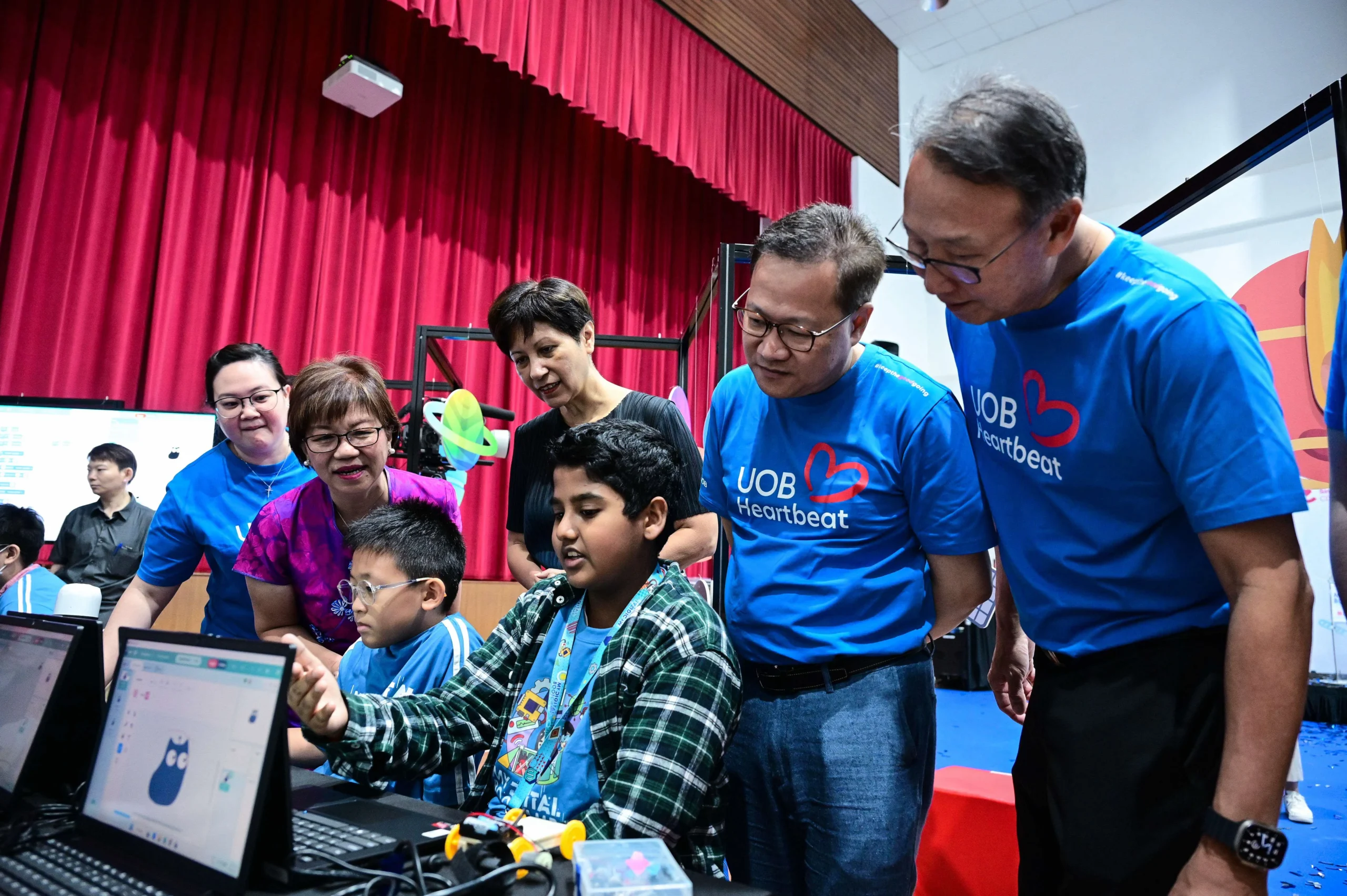
Digital literacy bootcamps are rapidly becoming the essential bridge for those looking to cross the daunting canyon between traditional employment and the high-tech demands of the modern economy. For someone like David, a former hospitality manager who felt his skills becoming obsolete in a world of automated booking and data-driven marketing, these programs offered a vital lifeline. David didn’t necessarily need a four-year computer science degree; he needed to understand how data moves through the cloud, how to communicate via professional digital platforms, and how to protect sensitive information online. This practical, fast-paced approach to education is exactly what makes these intensive training sessions so valuable in today’s rapidly changing professional landscape.
When we talk about digital literacy, we aren’t just referring to the ability to type or send an email. It encompasses a broad spectrum of skills, from identifying misinformation to understanding the basics of data privacy and collaborative software. The modern workplace is no longer a physical office defined by paper trails; it is a digital ecosystem where your ability to navigate software determines your productivity and value. Many people find themselves “digitally intimidated,” feeling that the tech world is a club they weren’t invited to join. Intensive training programs are designed to break down those barriers by offering a safe, structured, and accelerated environment for learning.
The concept of a “bootcamp” is borrowed from the military for a reason. It implies a total immersion that strips away the fluff and focuses on the core competencies required for survival—in this case, professional survival. Instead of spending months on abstract theories, students spend their days working on real-world projects that mimic the tasks they will encounter in a modern office. This hands-on experience builds a kind of “muscle memory” for technology that traditional classroom lectures simply cannot provide. It turns the “magic” of software into a set of tools that any motivated individual can learn to master with the right guidance.
Why Digital Literacy Bootcamps are Essential in a Modern Economy
The global economy has undergone a massive shift, and the COVID-19 pandemic only served to accelerate the trend toward remote and digital-first work. In this new reality, digital literacy bootcamps serve as a critical intervention for workers across all industries, not just those in Silicon Valley. Whether you are in healthcare, education, construction, or the arts, the tools of your trade are becoming increasingly digital. A nurse now needs to navigate complex electronic health records; a construction foreman uses tablets for blueprints and resource tracking. Without a solid foundation in digital skills, even highly experienced professionals can find themselves sidelined by the very tools meant to help them.
This skills gap isn’t just a personal problem; it is a significant economic hurdle for nations trying to stay competitive. Companies are desperate for workers who can hit the ground running without needing months of remedial tech training. By participating in these intensive programs, individuals signal to employers that they are adaptable, proactive, and ready for the challenges of the 21st century. This signal is often just as important as the skills themselves, as it demonstrates a “growth mindset” that is highly prized in a world where technology changes every few months.
Furthermore, these programs play a vital role in social equity. The “digital divide” often follows the lines of socioeconomic status, age, and geography. Those who grew up without easy access to high-speed internet or the latest devices can find themselves at a permanent disadvantage in the job market. Well-designed digital literacy bootcamps often partner with non-profits or government agencies to provide scholarships and low-cost options for underserved communities. This creates a more level playing field, ensuring that the opportunities of the digital age are accessible to everyone, not just those who were lucky enough to be born into tech-savvy environments.
The Psychological Shift from Intimidation to Empowerment
One of the most profound effects of these programs is the psychological transformation that occurs within the students. Many people enter these bootcamps with a deep-seated fear that they are “just not a tech person.” They view computers as mysterious boxes that might break if they click the wrong button. The first few days of a bootcamp are often about deconstructing this fear. Instructors encourage students to experiment, to make mistakes, and to troubleshoot their own errors. This process of trial and error is fundamental to how tech professionals work, and learning it is a major milestone for any beginner.
As the weeks progress, that initial fear is replaced by a sense of agency. A student who was once afraid to open a spreadsheet starts to see it as a powerful canvas for organizing their thoughts and data. A person who struggled with online security begins to understand the architecture of the web and how to protect themselves and their employer. This shift from being a passive consumer of technology to an active, confident user is life-changing. It opens up a world of possibilities, making the student feel that they can teach themselves almost anything with the right online resources.
This confidence often spills over into other areas of life. When you prove to yourself that you can master a complex new skill in a short amount of time, your entire self-image changes. You become more willing to take on new challenges at work and more resilient in the face of change. This is the “hidden curriculum” of the bootcamp experience. While they are officially learning about cloud computing or digital collaboration, they are actually learning how to be lifelong learners. In a world where the only constant is change, this adaptability is the most valuable asset any worker can possess.
How to Evaluate Digital Literacy Bootcamps Effectively
As the demand for these programs has grown, so has the number of providers offering them. This can make it difficult for a prospective student to choose the right path. When evaluating digital literacy bootcamps, the first thing to look for is the curriculum’s relevance to the current job market. Technology moves fast, and a program using tools or methodologies from three years ago is already outdated. You want to see a syllabus that includes modern collaborative platforms, basic data analysis, cybersecurity awareness, and perhaps even an introduction to how artificial intelligence is changing professional workflows.
Another critical factor is the quality of mentorship and career support. A good bootcamp isn’t just a series of video lectures; it is a community. You should have access to instructors and mentors who have actual industry experience and can provide context for what you are learning. Moreover, look for programs that offer career services like resume building, LinkedIn optimization, and mock interviews. The goal of the program is to get you a job or a promotion, so the provider should be deeply invested in your professional outcome long after the final lesson is over.
Transparency regarding outcomes and costs is also essential. Reputable programs will often publish “outcome reports” that show the percentage of their graduates who found employment within six months and the average salary increase they saw. Be wary of programs that make grandiose promises without data to back them up. Additionally, consider the format that works best for your life. Some people thrive in a full-time, in-person environment, while others need the flexibility of a part-time, online program. The “best” bootcamp is the one that you can actually finish without burning out or going into unmanageable debt.
Beyond the Basics: What You Actually Learn
The curriculum of most digital literacy bootcamps is designed to be a “greatest hits” of essential modern skills. It usually begins with the fundamentals of the digital environment, such as file management, cloud storage etiquette, and the nuances of professional digital communication. While these might seem simple, you would be surprised how many people struggle with organizing their digital lives in a way that is efficient and secure. Mastering these basics provides the mental “RAM” needed to focus on more complex tasks later on in the program.
From there, many programs move into the world of data. We live in an era where every decision is backed by data, yet many people are “data illiterate.” Learning how to read a dashboard, perform basic functions in a spreadsheet, and visualize information so it can be easily understood by others is a superpower in almost any office. It allows you to contribute to strategic conversations and back up your ideas with evidence. It turns you from someone who just “does the work” into someone who understands the “why” behind the business’s goals.
Cybersecurity is another cornerstone of these programs. As cyber threats become more sophisticated, every employee is a potential entry point for a hack. Bootcamps teach students how to identify phishing attempts, manage passwords securely, and understand the basics of encryption and multi-factor authentication. This knowledge makes the student a “security asset” to any employer, providing peace of mind in an increasingly risky digital world. When a company knows they can trust you with their data, you become a much more attractive candidate for sensitive or high-level roles.
The Role of Soft Skills in a Digital Context
A common misconception is that digital literacy bootcamps are only about hard technical skills. In reality, the most successful students are those who can blend their new tech abilities with strong “soft skills.” Digital literacy also means knowing how to collaborate effectively in a virtual environment. This involves understanding the etiquette of video calls, knowing when to use an instant message versus an email, and how to manage a project when your team is spread across different time zones. These are the social skills of the digital age, and they are just as important as knowing how to code or analyze data.
Communication in a digital space requires a different kind of empathy and clarity. Without the benefit of body language or tone of voice, messages can easily be misinterpreted. Bootcamps often include modules on “digital citizenship,” which covers how to maintain professionalism and build rapport when your only interaction with someone is through a screen. This is particularly important for those moving into remote-first roles, where your digital presence is your only presence. Being able to project competence and warmth through a keyboard is a skill that takes practice and intentionality.
Problem-solving is the other major soft skill emphasized in these programs. Technology is notorious for not working exactly as expected. A digitally literate person doesn’t panic when a software update changes their interface or a connection drops. They have the patience and the research skills to find a solution. They know how to use search engines effectively to find answers to technical questions and how to describe a problem clearly to a tech support team. This “troubleshooting mindset” is incredibly valuable because it means you are less dependent on others to fix small issues, keeping your workflow moving smoothly.
The Economic Impact of Intensive Retraining
From a broader perspective, the rise of digital literacy bootcamps represents a shift in how we think about human capital. In the past, education was a “one-and-done” event that happened in early adulthood. Today, we are moving toward a model of “just-in-time” education, where workers dip back into intensive training throughout their lives to stay current. This is a more efficient way to match the labor force with the needs of the economy. Instead of people spending years in school for a degree that might be outdated by graduation, they can take a three-month intensive course to gain the specific skills the market needs right now.
This model is also highly attractive to employers. Many companies are now creating their own “internal bootcamps” to retrain their existing staff. This is often more cost-effective than hiring new people, as it retains the institutional knowledge and loyalty of long-term employees while upgrading their skill sets. It creates a culture of continuous improvement and shows employees that the company is invested in their long-term career growth. For the worker, it provides a sense of security, knowing that their employer will help them stay relevant as technology evolves.
Governments are also taking notice of the ROI of these programs. By funding digital literacy initiatives, they can reduce unemployment and boost tax revenues by moving people from low-wage manual jobs into higher-paying digital roles. It is a proactive approach to social welfare that focuses on empowerment rather than just assistance. When a citizen gains digital skills, they are not just helping themselves; they are contributing to the overall digital maturity of their community and nation. This is why we see so much public-private partnership in the bootcamp space, as everyone benefits from a more tech-savvy population.
The Journey of a Lifetime Learner
Ultimately, the decision to enroll in one of these programs is an act of bravery. It is an admission that you don’t know everything and a commitment to doing the hard work of growth. The students who get the most out of these experiences are those who show up with curiosity and a willingness to be uncomfortable. They understand that the goal isn’t just to get a certificate to hang on the wall, but to change the way they see the world and their place in it. They are the pioneers of a new way of working and learning that will define the coming decades.
As you navigate the options available, remember that technology is just a tool—a means to an end. The real value is in the person using the tool. A digitally literate person with a passion for their work and a commitment to helping others is an unstoppable force in the modern world. Whether you want to start a new career, grow your small business, or simply feel more confident in your daily life, the skills you gain in a bootcamp will serve as a foundation for everything else you do. The digital world is vast and full of opportunity, and the key to unlocking it is in your hands.
The stories of people like David and Sarah are being written every day in classrooms and Zoom calls around the world. They are the evidence that it is never too late to learn and that the digital divide is not a permanent barrier. With the right support, the right curriculum, and a healthy dose of determination, anyone can become a fluent citizen of the digital age. The path might be intensive, and the hours might be long, but the reward—a career that is future-proof and a mind that is expanded—is worth every bit of effort. The future belongs to those who are willing to learn, unlearn, and relearn, and there is no better place to start that journey than in the supportive environment of a modern bootcamp.

