
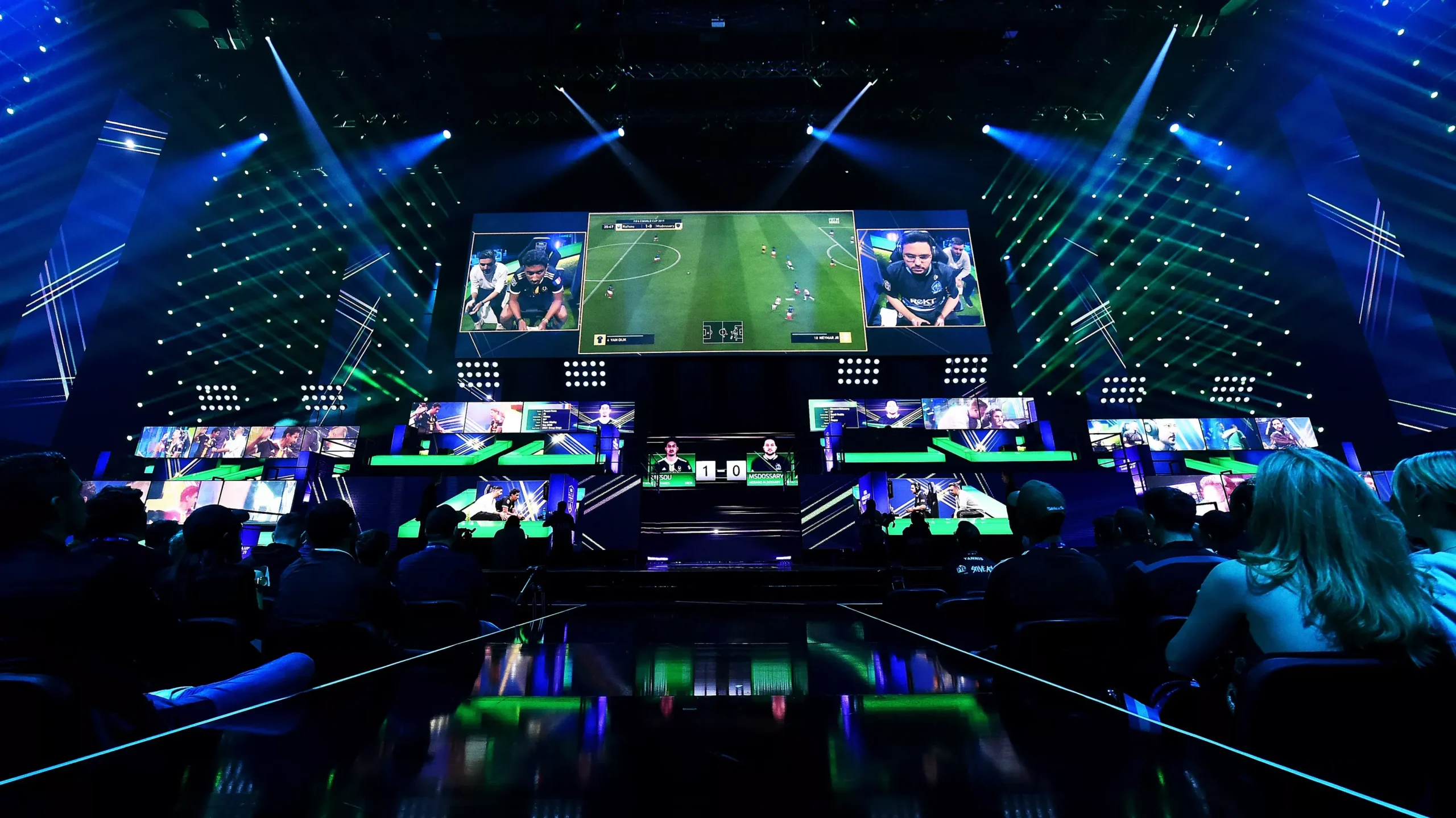
FIFA esports tournaments have rapidly evolved from niche gaming contests into global spectacles that rival traditional sporting events in viewership and prize money. What once started as friendly console competitions in living rooms has become a structured, professional ecosystem backed by major organizations and international governing bodies.
Today, virtual footballers train as seriously as traditional athletes. They analyze gameplay footage, practice tactical strategies, and compete under immense pressure. The rise of competitive gaming has created a new generation of sports stars—ones who dominate with controllers rather than boots.
As the world of esports continues to grow, football’s digital counterpart is carving its own legacy under the supervision of FIFA and major publishers like Electronic Arts. The result is a competitive landscape that blends technology, entertainment, and global passion.
The Evolution of FIFA Esports Tournaments
In the early 2000s, competitive FIFA gaming was mostly community-driven. Local LAN events and online ladders connected players from different regions. But the true transformation began when official structures and prize pools entered the scene.
The introduction of the FIFAe World Cup marked a turning point. It legitimized competitive virtual football and provided a global stage similar to traditional tournaments. Suddenly, players were representing countries, wearing jerseys, and competing under bright studio lights.
As streaming platforms grew, audiences expanded. Millions tuned in online to watch elite gamers battle in high-stakes matches. With each passing year, FIFA esports tournaments became more organized, professional, and commercially attractive.
Why FIFA Esports Tournaments Matter in Modern Sports
The growth of FIFA esports tournaments reflects broader changes in how younger generations consume sports. Digital natives often engage with football through gaming before attending live matches.
This shift has significant implications. Traditional football clubs now operate esports divisions. Organizations like Manchester City F.C. and Paris Saint-Germain F.C. have invested heavily in esports players, recognizing the marketing and brand potential.
For fans, esports competitions create interactive engagement. Watching a digital match feels relatable because many viewers play the same game themselves. That accessibility drives deeper emotional connection.
From a business perspective, FIFA esports tournaments attract sponsors seeking younger, tech-savvy audiences. Brands see value in digital engagement, streaming partnerships, and influencer collaborations.
Structure and Format of FIFA Esports Tournaments
The competitive ecosystem typically begins with online qualifiers open to thousands of players worldwide. Regional competitions narrow the field, eventually leading to global finals.
Qualification pathways are designed to ensure fairness and inclusivity. Players compete through ranked modes and official circuits organized in partnership with publishers and confederations.
The competitive format often mirrors real football tournaments. Group stages lead to knockout rounds, culminating in dramatic grand finals. This structure keeps audiences engaged and builds narrative tension.
Each season of FIFA esports tournaments introduces minor format tweaks to maintain balance and competitive integrity. Organizers continually refine rules based on feedback from players and analysts.
The Professionalization of Virtual Athletes
The stereotype of gamers playing casually in bedrooms no longer applies at the highest level. Elite competitors train daily, sometimes for eight to ten hours.
They work with performance coaches, analysts, and psychologists. Reaction time, strategic thinking, and emotional control are critical skills. Just like traditional athletes, esports professionals follow structured routines.
One champion once shared how he studied opponent tendencies before finals, much like football managers analyze match footage. That dedication demonstrates how FIFA esports tournaments demand serious preparation.
Many players sign contracts with professional esports organizations. Salaries, sponsorship deals, and tournament winnings provide financial stability, transforming gaming into a legitimate career path.
Technology Driving FIFA Esports Tournaments
Advancements in gaming technology have fueled the credibility of FIFA esports tournaments. High-definition graphics, realistic player physics, and responsive gameplay create immersive experiences.
Streaming platforms enable global accessibility. Fans watch live broadcasts, interact through chat, and analyze strategies in real time. Commentary teams provide expert breakdowns, enhancing viewer understanding.
Tournament production quality has improved dramatically. Studio lighting, stage design, and broadcast graphics rival traditional sports coverage. The presentation reinforces legitimacy and professionalism.
Data analytics also plays a role. Performance metrics help players refine strategies, while organizers monitor competitive balance.
Global Reach and Cultural Impact
One of the most remarkable aspects of FIFA esports tournaments is their global inclusivity. Players from Asia, Europe, Africa, and the Americas compete on equal digital ground.
Countries like Germany and Brazil have produced dominant esports champions. Meanwhile, rising competitors from regions with limited traditional football infrastructure have found new opportunities online.
This digital equality reshapes global competition. Physical resources matter less than skill and strategy. A talented gamer from a small town can defeat an established pro from a football powerhouse.
Culturally, esports events blend music, entertainment, and gaming into a hybrid experience. Live finals often feature performances, fan meetups, and interactive experiences.
FIFA Esports Tournaments and Youth Engagement
For many teenagers, competitive gaming serves as an entry point into football fandom. Playing virtual matches increases interest in real-world teams and players.
Clubs recognize this synergy. Esports campaigns often align with real-season promotions. Merchandise collaborations and digital content connect both worlds seamlessly.
Educational institutions are also embracing esports. Universities now offer scholarships for talented gamers. This institutional support adds legitimacy and structure.
Parents who once questioned gaming as a hobby now see career potential. The professional environment surrounding FIFA esports tournaments reassures families that structured growth and discipline are possible.
Economic Growth and Sponsorship Opportunities
Prize pools in major competitions have grown steadily. Sponsorship deals from tech companies, apparel brands, and beverage corporations fuel expansion.
Streaming rights generate additional revenue streams. Brands integrate advertisements seamlessly into broadcasts, reaching highly engaged audiences.
The commercial ecosystem surrounding FIFA esports tournaments mirrors traditional sports economics. Ticket sales for live finals, merchandise, and digital content subscriptions contribute to sustainability.
Investment continues to rise because the audience demographic is attractive. Young, digitally connected fans represent long-term market value.
Competitive Integrity and Fair Play
Maintaining trust is essential in esports. Organizers implement strict anti-cheating protocols and monitoring systems to ensure fairness.
Professional referees oversee matches, and disputes are reviewed carefully. Clear regulations protect competitive integrity.
The governing bodies collaborate with publishers to refine gameplay updates. Balance patches address overpowered tactics, ensuring a level playing field.
These measures reinforce credibility. Without integrity, FIFA esports tournaments would struggle to sustain growth.
Storytelling and Personal Journeys
Behind every champion is a compelling story. Some players began practicing after school, dreaming of representing their country. Others transitioned from casual gaming to professional circuits within a few years.
One memorable final featured an underdog competitor defeating a former champion in extra time. The emotional celebration resonated worldwide.
These narratives elevate esports beyond mere gameplay. They humanize competitors and create lasting fan loyalty.
Media coverage has improved, with analysts offering tactical breakdowns and interviews. This storytelling strengthens emotional investment.
The Future of FIFA Esports Tournaments
Technological innovation will likely shape the next phase of growth. Virtual reality integration, enhanced realism, and cross-platform compatibility may redefine competition.
Collaboration between real-world football federations and esports organizers could deepen. Hybrid events combining live football and digital finals might emerge.
As infrastructure improves in developing regions, global representation will expand further. The accessibility of online qualification ensures continued diversity.
The digital revolution shows no signs of slowing. With sustained investment and transparent governance, FIFA esports tournaments will continue influencing both gaming culture and global football narratives.
Read also:
usmnt vs guatemala national football team lineups
usmnt vs costa rica national football team lineups
mexico national football team vs saudi arabia national football team lineups
spain national football team vs netherlands national football team timeline
uswnt vs republic of ireland women’s national football team lineups

