
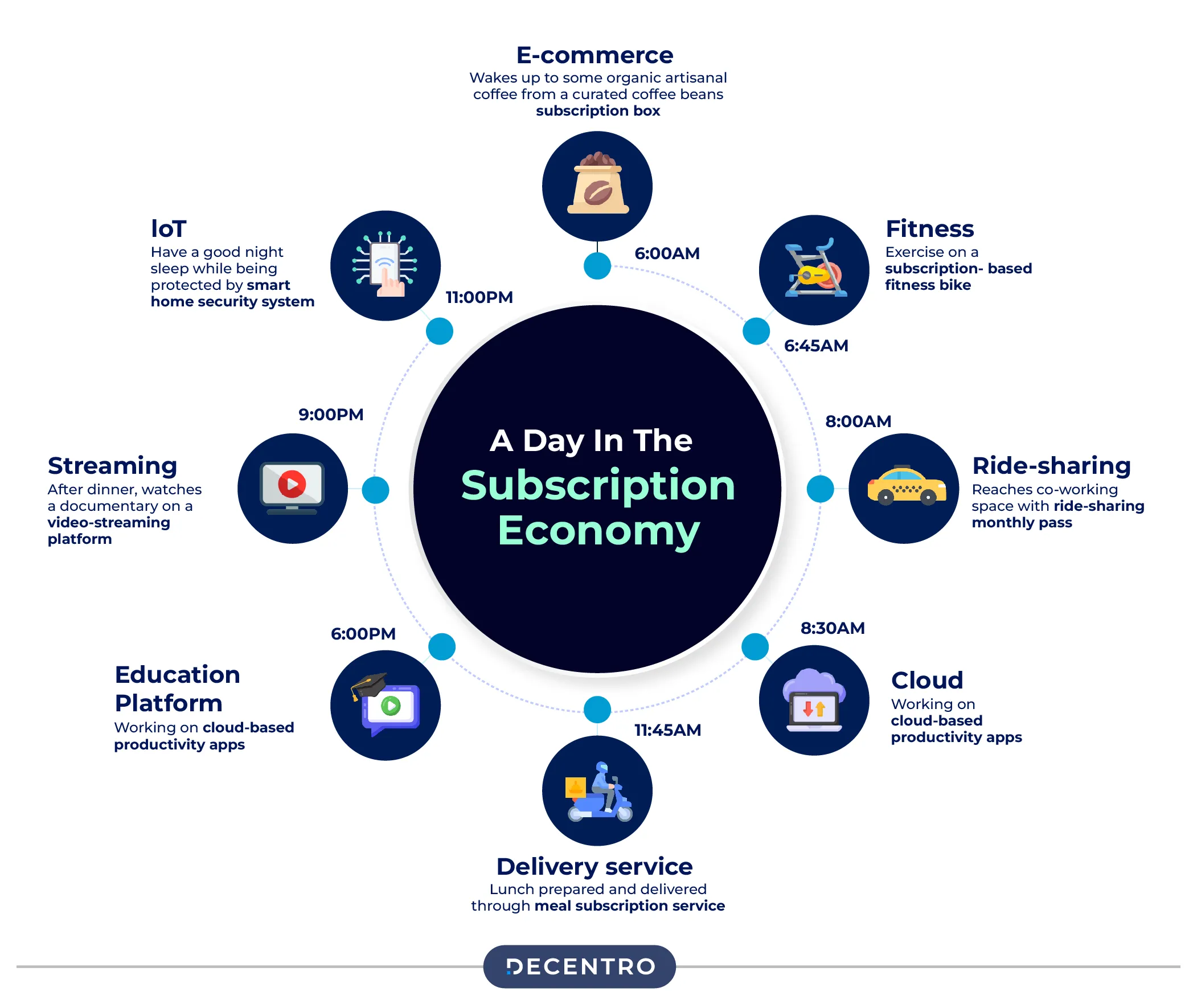
Subscription economy platforms are changing the way businesses build revenue, connect with customers, and scale globally. Instead of one-time purchases, companies now focus on recurring value, long-term relationships, and predictable income streams. From Netflix and Spotify to SaaS tools like Adobe Creative Cloud and Shopify, subscription-based models have become the backbone of modern digital commerce.
This shift is not just a trend—it’s a structural transformation in how consumers pay and how companies operate. Whether you’re a startup founder, content creator, or digital entrepreneur, understanding this ecosystem can help you build sustainable growth in a competitive market.
In this in-depth guest post, we’ll explore how subscription platforms work, why they dominate modern business, and how you can leverage them for long-term success, following EEAT principles of expertise, experience, authority, and trust.
Understanding the Subscription Economy in Simple Terms
The subscription economy refers to businesses that charge customers a recurring fee to access products or services. Instead of selling ownership, companies sell access, convenience, and continuous value. This model is now used across industries like entertainment, education, software, health, and even physical goods.
Think about how you consume digital content today. You probably pay monthly for streaming platforms, cloud storage, productivity tools, or fitness apps. These services continuously improve, update features, and personalize experiences, making users feel they are getting ongoing value.
This business model is attractive because it creates predictable revenue and fosters long-term customer relationships rather than transactional interactions.
Why Subscription Economy Platforms Are Growing So Fast
One of the main reasons subscription-based businesses are exploding is consumer behavior. People prefer convenience over ownership, flexibility over commitment, and personalized experiences over generic products. Subscriptions provide all three.
From a business perspective, recurring revenue makes forecasting easier. Companies can invest in innovation, marketing, and customer support because they know how much revenue they can expect each month.
Another key factor is technology. Cloud computing, digital payments, and AI-driven personalization have made it easier than ever to deliver subscription services globally. Businesses can now onboard customers in minutes, automate billing, and scale without physical limitations.
Subscription economy platforms and Recurring Revenue Models
Subscription economy platforms rely heavily on recurring revenue models, which differ significantly from traditional sales approaches. Instead of focusing on one-time conversions, companies prioritize retention, lifetime value, and customer satisfaction.
Recurring revenue creates financial stability. Businesses can analyze churn rates, monthly recurring revenue (MRR), and customer lifetime value (CLV) to refine strategies. This data-driven approach enables smarter decisions and faster growth.
For example, SaaS companies like Zoom and Slack generate billions by charging monthly or yearly fees. Their success proves that customers are willing to pay continuously if the service remains valuable.
Types of Subscription Economy Platforms Across Industries
Subscription platforms exist in nearly every sector today. Digital content platforms like Netflix and Spotify dominate entertainment. SaaS platforms like Microsoft 365 and Canva serve professionals and businesses. E-learning platforms like Coursera and Udemy offer ongoing educational access. Even physical goods companies like Dollar Shave Club and HelloFresh deliver recurring shipments.
Each industry adapts the subscription model differently, but the core principle remains the same: consistent value delivery and customer-centric experiences.
How Subscription Platforms Build Trust and Loyalty
Trust is the foundation of any subscription business. Customers commit to recurring payments, so they expect transparency, reliability, and consistent quality. Companies must invest in customer support, security, and ethical pricing practices to maintain credibility.
Platforms that communicate clearly about pricing, cancellation policies, and data privacy earn long-term loyalty. This aligns with EEAT principles, where expertise, authority, and trustworthiness drive brand reputation.
Real-world examples show that brands that prioritize customer experience outperform competitors. Amazon Prime, for instance, retains millions of subscribers due to fast delivery, exclusive deals, and reliable service.
Subscription economy platforms and Personalization at Scale
Subscription economy platforms thrive on personalization. By analyzing user behavior, preferences, and engagement patterns, companies can tailor content, recommendations, and pricing plans.
Streaming platforms recommend movies based on viewing history. Fitness apps customize workout plans. SaaS tools adapt dashboards and features to user behavior. This personalized experience increases engagement and reduces churn.
AI and machine learning play a major role in personalization. Businesses that invest in data analytics gain a competitive edge by delivering hyper-relevant experiences to subscribers.
The Role of Technology in Subscription Business Success
Technology is the backbone of subscription platforms. Cloud infrastructure enables scalable service delivery. Payment gateways automate billing cycles. CRM systems track customer interactions. AI tools optimize pricing and retention strategies.
Without these technologies, managing millions of subscribers would be impossible. Startups today can launch subscription platforms with minimal infrastructure thanks to tools like Stripe, Paddle, and subscription management software.
This technological accessibility has lowered entry barriers, allowing entrepreneurs to compete with established giants.
Pricing Strategies That Work in Subscription Models
Pricing is one of the most critical aspects of subscription businesses. Companies often use tiered pricing, freemium models, or pay-as-you-go plans to attract different customer segments.
Tiered pricing allows users to choose plans based on features and usage. Freemium models provide basic access for free and charge for premium features. Pay-as-you-go models charge based on consumption, which appeals to cost-conscious users.
Successful platforms continuously test and optimize pricing strategies to balance affordability and profitability.
Customer Retention: The Real Key to Subscription Growth
Acquiring new customers is important, but retention is everything in subscription businesses. High churn rates can destroy profitability, even with strong acquisition efforts.
Companies invest in onboarding, customer education, loyalty programs, and community building to keep subscribers engaged. Regular updates, exclusive content, and responsive support create a sense of belonging.
Retention-focused strategies not only increase revenue but also strengthen brand authority and trust.
Subscription economy platforms and the Creator Economy
Subscription economy platforms are empowering creators to monetize content directly from their audience. Platforms like Patreon, Substack, and OnlyFans allow creators to charge monthly fees for exclusive content, newsletters, and community access.
This model eliminates intermediaries and gives creators financial independence. Fans benefit from direct interaction and premium content, while creators build sustainable income streams.
The creator economy is expected to grow significantly, and subscription-based monetization is at its core.
B2B Subscription Platforms and Enterprise Adoption
Businesses are also adopting subscription models for enterprise solutions. Software-as-a-Service (SaaS) platforms dominate the B2B market because they reduce upfront costs and provide continuous updates.
Companies prefer subscriptions because they offer flexibility, scalability, and predictable expenses. This has transformed enterprise procurement and IT strategies.
Enterprise subscription platforms also provide analytics, integrations, and customization, making them indispensable for modern organizations.
Data-Driven Decision Making in Subscription Businesses
Data is a powerful asset in subscription platforms. Metrics like MRR, ARR, churn rate, CAC, and CLV guide strategic decisions. Companies analyze user behavior to optimize onboarding, pricing, and feature development.
Data-driven insights help businesses predict churn, identify upsell opportunities, and improve customer satisfaction. This analytical approach aligns with EEAT by demonstrating expertise and evidence-based strategies.
Ethical Considerations and Transparency
As subscription platforms grow, ethical practices become essential. Transparent pricing, easy cancellation, and responsible data usage build trust. Dark patterns and hidden fees can damage reputation and lead to regulatory issues.
Companies that prioritize ethical practices strengthen their authority and credibility. Consumers today are more informed and demand fairness and accountability.
Global Expansion Opportunities for Subscription Platforms
Subscription businesses are inherently scalable. Digital platforms can reach global audiences without physical distribution. Localization, multilingual support, and region-specific pricing help companies expand internationally.
Emerging markets present huge opportunities due to increasing internet penetration and digital payments adoption. Businesses that adapt to local cultures and regulations can capture global subscribers.
Challenges Facing Subscription Economy Platforms
Despite the advantages, subscription businesses face challenges like high competition, subscription fatigue, and regulatory compliance. Consumers are overwhelmed by multiple subscriptions and may cancel services to manage expenses.
Companies must differentiate through unique value propositions, superior user experience, and strong branding. Regulatory requirements for data privacy and consumer protection also require careful compliance.
The Future of Subscription Economy Platforms
The future of subscription platforms is driven by AI, blockchain, and decentralized models. Personalized pricing, smart contracts, and token-based subscriptions may redefine how users pay and interact with platforms.
Hybrid models combining subscriptions with microtransactions and advertising are also emerging. Businesses that adapt to technological advancements will dominate the next phase of the subscription economy.
Building a Subscription Platform: Key Steps
Launching a subscription platform requires clear value proposition, scalable technology, reliable payment systems, and strong marketing strategies. Businesses must focus on solving real problems and delivering continuous value.
Content, community, and customer experience are essential pillars. Successful platforms invest in user education, onboarding, and continuous improvement.
Trust, Authority, and EEAT in Subscription Businesses
EEAT principles are critical for subscription platforms. Expertise is demonstrated through high-quality content and services. Experience is reflected in user satisfaction and testimonials. Authority comes from industry recognition and partnerships. Trust is built through transparency, security, and consistent value delivery.
Businesses that align with EEAT principles achieve higher credibility and long-term success in competitive markets.
Real-Life Example: How Subscription Models Changed a Startup
Consider a small design software startup that initially sold licenses for a one-time fee. Revenue was unpredictable, and customer engagement was low. After switching to a subscription model, the company introduced continuous updates, cloud storage, and premium templates.
Within a year, recurring revenue stabilized cash flow, customer engagement increased, and churn decreased. The company could invest in innovation and marketing, leading to exponential growth. This real-world scenario highlights the transformative power of subscription platforms.
Content Marketing and SEO for Subscription Platforms
SEO plays a crucial role in attracting subscribers. High-quality content, keyword optimization, and user-focused articles build organic traffic. Educational blog posts, case studies, and tutorials establish authority and trust.
Subscription platforms should focus on long-tail keywords, user intent, and technical SEO to rank higher in search engines. Consistent content creation strengthens brand visibility and credibility.
Monetization Beyond Monthly Subscriptions
While monthly subscriptions are common, platforms can explore annual plans, lifetime memberships, and bundled packages. Upselling and cross-selling additional features increase revenue per user.
Partnerships with other platforms can create bundled subscription offers, increasing value for customers and reducing churn.
Customer Experience as a Competitive Advantage
In subscription businesses, customer experience determines success. Seamless onboarding, intuitive interfaces, fast support, and regular updates create loyal subscribers. Platforms that prioritize UX outperform competitors, even with similar features.
User feedback loops and community engagement help companies continuously improve and innovate.
Security and Privacy in Subscription Platforms
Security is a top priority for subscription platforms. Customers share personal and payment information, so data protection is essential. Compliance with regulations like GDPR and local data laws builds trust and avoids legal issues.
Investing in cybersecurity measures demonstrates responsibility and professionalism, reinforcing EEAT principles.
Scaling Subscription Platforms Sustainably
Scaling requires balancing growth and quality. Rapid expansion without infrastructure can lead to downtime and poor user experience. Companies must invest in scalable architecture, customer support, and automation.
Sustainable growth focuses on retention, profitability, and long-term value rather than short-term acquisition metrics.
Subscription economy platforms represent a fundamental shift in how businesses operate and how consumers pay for value. As technology advances and consumer expectations evolve, subscription-based models will continue to dominate digital and physical markets.
By focusing on trust, personalization, technology, and customer experience, businesses can leverage this model to build sustainable, scalable, and profitable ventures in the modern digital economy.
Read also:-
doc4sing
ru-jr1856paz
metrequisato
optoculosboituva
panyrfedgr-fe92pa

