
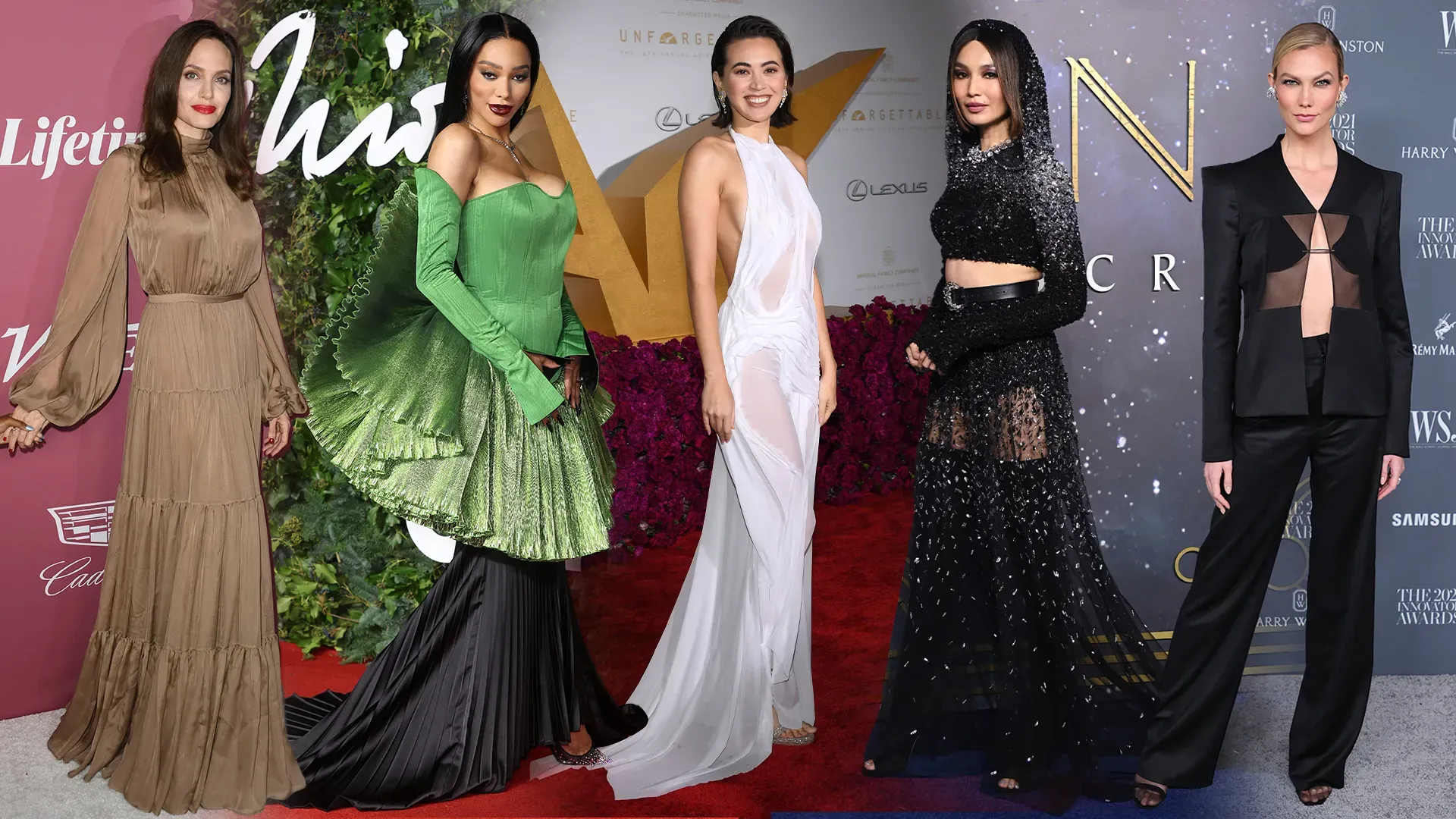
Red carpet fashion icons represent the pinnacle of visual storytelling, where every seam, sequin, and silhouette tells a story of ambition and artistry. I remember watching the Academy Awards as a child, mesmerized by the way a single dress could stop the world in its tracks. It was not just about the fabric; it was about the presence of the individual wearing it. This unique intersection of celebrity and couture has transformed the red carpet from a simple walkway into the most influential fashion stage on the planet.
The allure of these icons lies in their ability to blend personal identity with the creative vision of legendary designers. When we think of the red carpet, we are often thinking of moments that have been etched into our collective cultural memory. These moments are rarely accidental. They are the result of months of planning, thousands of hours of hand-stitching in Parisian ateliers, and a deep understanding of how to command a room without saying a single word.
Historically, the concept of the fashion icon was born in the Golden Age of Hollywood. In those days, the relationship between a star and a designer was almost sacred. Consider the legendary partnership between Audrey Hepburn and Hubert de Givenchy. Hepburn was one of the original Red carpet fashion icons because she understood that simplicity often carries more weight than extravagance. Her “Little Black Dress” philosophy changed the way women viewed formal wear, moving the needle toward a more refined, architectural elegance.
As the decades progressed, the red carpet became a place for rebellion and risk-taking. In the 1970s and 80s, stars like Cher began to challenge the status quo with the help of designer Bob Mackie. Her daring, often sheer ensembles proved that the red carpet could be a place for theatricality and camp. Cher did not just wear a dress; she wore a costume that demanded attention. This shift paved the way for future generations to use fashion as a tool for self-expression and subversion.
Looking back at the 1990s, we saw the rise of the “supermodel-celebrity” crossover. This era was defined by a more minimalist, yet incredibly sexy aesthetic. Elizabeth Hurley’s “safety pin” Versace dress remains one of the most discussed fashion moments in history. It was a moment that proved a single outfit could launch a career. It also highlighted the power of a designer to create a cultural reset through a daring choice of hardware and fabric.
In the modern era, the role of the fashion icon has evolved into something much more calculated and strategic. Today’s stars are not just wearing clothes; they are building brands. Zendaya, alongside her longtime stylist Law Roach, has mastered the art of “method dressing.” Whether she is promoting a sci-fi epic or a tennis drama, her red carpet choices reflect the themes of her projects. This level of intentionality has solidified her place among the greatest Red carpet fashion icons of all time.
The impact of these icons extends far beyond the flashbulbs of the paparazzi. When a celebrity wears a specific designer on the red carpet, it can result in a massive spike in sales and brand recognition. This phenomenon, often called the “red carpet effect,” is a testament to the trust and authority these icons hold in the eyes of consumers. They are the ultimate influencers, bridging the gap between high-fashion runways and the everyday wardrobes of people around the world.
We must also acknowledge the incredible artistry that happens behind the scenes to make these looks possible. A couture gown can take over five hundred hours to complete, with dozens of artisans working on the embroidery, beading, and structural boning. When we see a star glide across the carpet, we are seeing the culmination of centuries-old techniques being kept alive by modern designers. This commitment to craftsmanship is what gives red carpet fashion its enduring value.
Furthermore, the rise of social media has changed the way we consume red carpet fashion. In the past, we had to wait for magazines to be published to see the looks. Now, we see them in real-time, often before the star has even reached the end of the carpet. This has increased the pressure on celebrities and their stylists to create “viral moments.” While this can sometimes lead to overly gimmicky outfits, it has also fostered a more democratic fashion conversation where everyone can participate.
Lady Gaga is another example of someone who has redefined the boundaries of the red carpet. From her infamous meat dress to her four-outfit transformation at the Met Gala, Gaga uses fashion as a form of performance art. She understands that the red carpet is a stage, and she is the lead actress. Her willingness to embrace the avant-garde has encouraged other stars to move away from safe, traditional choices and explore the more experimental side of design.
In recent years, we have also seen a significant shift in the world of men’s red carpet fashion. For a long time, men were relegated to standard black tuxedos, offering very little variety. However, icons like Billy Porter, Timothée Chalamet, and Harry Styles have shattered these gender norms. Porter’s tuxedo gown at the 2019 Oscars was a watershed moment, proving that men can embrace glamour, volume, and intricate detailing just as effectively as their female counterparts.
Sustainability has also become a major talking point among Red carpet fashion icons. More stars are choosing to re-wear vintage gowns or opt for designers who prioritize eco-friendly materials. Cate Blanchett has been a vocal advocate for this movement, often appearing in dresses she has worn years prior. This shift toward “conscious glamour” reflects a broader awareness of the environmental impact of the fashion industry and shows that true style is not about constant consumption.
The relationship between jewelry and the red carpet is equally vital. A gown is rarely complete without the right accessories, and some of the most iconic moments have been defined by legendary jewels. Think of Lady Gaga wearing the Tiffany Diamond, which was last worn by Audrey Hepburn. This connection to the past adds a layer of depth and history to the modern red carpet, linking current stars to the legends who came before them.
Stylists are the unsung heroes of the red carpet world. They are the architects who build these looks from the ground up, sourcing vintage pieces, negotiating with luxury houses, and ensuring that every detail is perfect. A great stylist understands the psychology of their client and knows how to push them outside their comfort zone while still making them feel confident. The collaboration between a star and a stylist is where the most iconic fashion moments are born.
I often think about the “Best Dressed” lists that emerge after every major awards show. While these lists are subjective, they reflect our innate desire to rank and celebrate excellence. However, the true Red carpet fashion icons are those who transcend these lists. They are the ones who create a look that people are still talking about ten or twenty years later. They are the ones who use the carpet to make a statement, whether it is political, social, or purely aesthetic.
The red carpet is also a place where we see the fusion of different cultures and traditions. We are seeing more stars embrace their heritage through their fashion choices, incorporating traditional textiles, silhouettes, and jewelry into their looks. This global perspective is enriching the fashion conversation and providing a platform for designers from all over the world. It is a reminder that beauty is not monolithic and that style can be a powerful way to honor one’s roots.
Rihanna is perhaps the ultimate example of a modern fashion chameleon. Every time she steps onto a red carpet, she creates a cultural earthquake. Her 2015 Met Gala gown, designed by Chinese couturier Guo Pei, was a masterclass in scale and cultural appreciation. Rihanna does not follow trends; she sets them. Her confidence and her ability to pull off even the most challenging designs have made her a permanent fixture in the history of fashion.
Consider the role of the “theme” in modern red carpet events, particularly the Met Gala. This event challenges icons to interpret a specific concept through their clothing. It is the one night of the year where “too much” is never enough. The results are often breathtaking, showing the sheer range of human creativity. These themed events have turned fashion into a topic of academic and public debate, proving that it is a serious art form worthy of museum-level study.
As we look toward the future, the technology of the red carpet is also changing. We are seeing the integration of 3D-printed elements, LED fabrics, and even digital fashion. These innovations are providing new ways for icons to express themselves and interact with their audience. While the traditional gown will always have a place, the future of the red carpet is likely to be much more tech-forward and experimental.
The psychology of the “walk” is also a fascinating aspect of the red carpet. An icon must know how to pose, how to move in a heavy train, and how to maintain their composure under the intense heat of the lights. It is a physical performance that requires immense stamina and grace. When an icon nails the walk, they create a sense of effortlessness that masks the hours of preparation that went into the moment.
Trust and authoritativeness are built over time through consistent excellence. An icon is not made by a single good dress; they are made by a decade of thoughtful, impactful choices. They earn the respect of the industry and the public by staying true to their vision and constantly evolving. This evolution is what keeps us interested and ensures that the red carpet remains a vital part of our cultural landscape.
The red carpet is also a place of great vulnerability. To stand in front of hundreds of cameras and millions of viewers is a daunting task. The fashion icons we admire are those who embrace this vulnerability and turn it into strength. They show us that it is okay to take up space, to be bold, and to express our true selves. This message of empowerment is perhaps the most important legacy of red carpet fashion.
In a world that is increasingly digital and disconnected, the red carpet provides a moment of shared experience. We all watch, we all discuss, and we all feel the thrill of a spectacular entrance. It is a modern-day ritual that celebrates beauty, creativity, and the human spirit. The icons at the center of this ritual are the ones who remind us of the power of art to inspire and transform.
Looking back at the timeline of fashion, we can see how the red carpet has mirrored the changes in society. From the rigid glamour of the 50s to the free-spiritedness of the 70s and the inclusive, boundary-breaking styles of today, the carpet is a living archive of our history. The icons are the ones who capture the spirit of their time and translate it into a visual language that we can all understand.
We should also celebrate the photographers who capture these moments. Their skill in timing and composition ensures that a fleeting moment on the carpet becomes a permanent image. A great photograph can capture the movement of a dress or the look in an icon’s eye in a way that stays with us forever. They are the ones who document the history of style and ensure that these icons are never forgotten.
The red carpet is a place of magic, where the impossible becomes possible and where fashion is used to create a dream world. The icons are the dream-makers, the ones who invite us to imagine a world of beauty and glamour. They are the ones who prove that fashion is not just about clothes, but about the power of the human imagination. As long as there are red carpets, there will be icons who show us the way.
The conversation around red carpet fashion is constantly changing, but the core appeal remains the same. We are drawn to the spectacle, the artistry, and the individuals who have the courage to stand out. It is a celebration of excellence in all its forms. The icons we love are the ones who remind us that style is a journey, not a destination, and that the most important thing is to be yourself, regardless of the trends.
Every award show provides a new opportunity for a future icon to emerge. We are always on the lookout for the next star who will change the game and provide a fresh perspective. This constant influx of new talent ensures that the red carpet remains exciting and relevant. It is a never-ending cycle of inspiration that fuels the global fashion industry and keeps us all watching.
As we celebrate the past and present icons, we also look forward to what is next. The red carpet will continue to be a place for innovation, diversity, and spectacular beauty. The icons will continue to push the boundaries of what is possible and inspire us to embrace our own unique style. It is a journey that is far from over, and I, for one, cannot wait to see what the next carpet brings.
The world of fashion is a better place because of the risks these icons take. They challenge us to see beauty in new ways and to appreciate the hard work and artistry that goes into creating a garment. They are the ultimate ambassadors for the fashion world, and their influence will be felt for generations to come. So, let us raise a glass to the icons—the ones who make the world a little more beautiful, one step at a time.
The stories they tell through their fashion are stories of resilience, triumph, and creativity. They are the ones who remind us that we can all be the protagonists of our own lives and that our personal style is a powerful way to express that. The red carpet is their stage, but the world is their audience. And what a spectacular show it is.

